









voice from the movement
Henna Asikainen
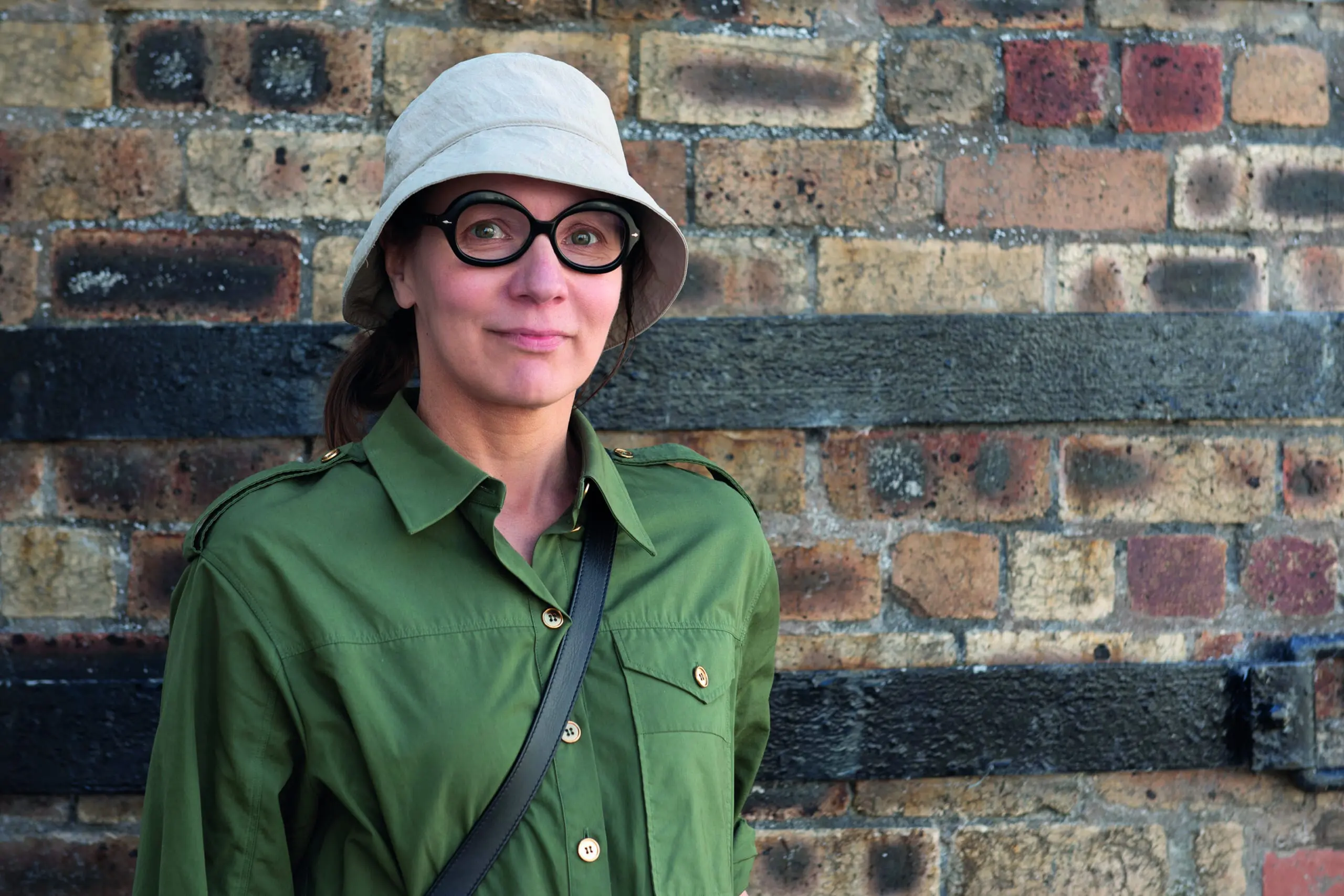 Culture is not a bystander in the climate crisis – it is one of the most powerful spaces we have for reimagining how we live together on a damaged planet. My work as an artist grows from the belief that creativity, collaboration, and care, Can challenge the systems that harm both people and the more-than-human world.
Much of my practice is created with people who have lived experience of forced displacement and are seeking asylum. Together, we build artistic processes that hold space for solidarity and hope, for belonging and for imagining ecological futures that include everyone.
By working alongside some of the most vulnerable in our society – people seeking a refuge, a place to live – the artwork becomes embedded in the thick middle of the social and environmental injustices of our time.
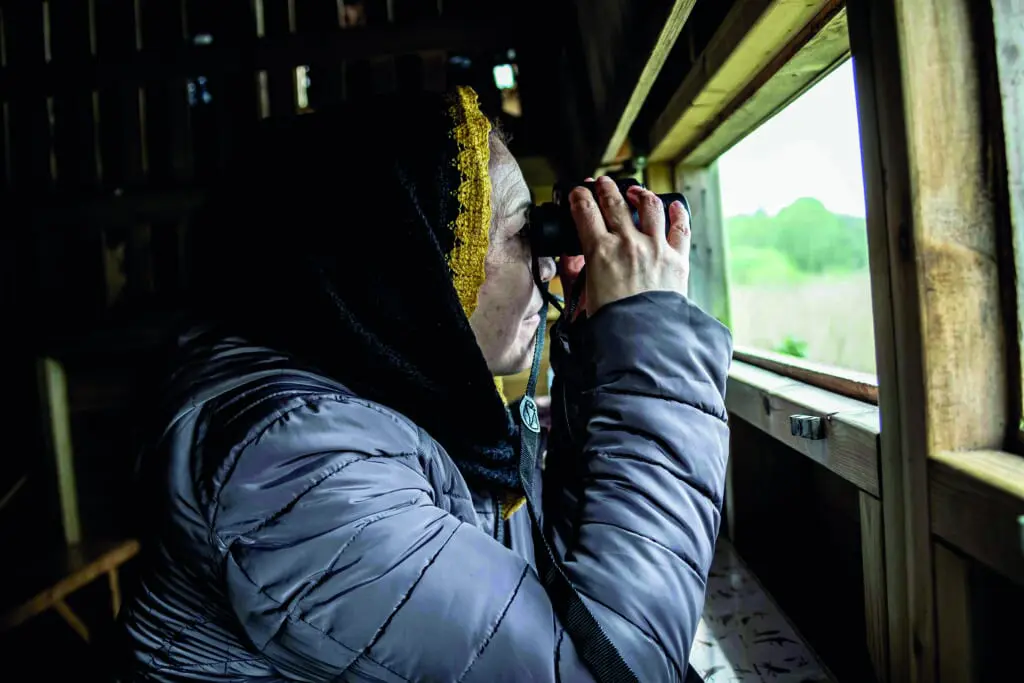
These projects are shaped through a nature-based methodology, creating opportunities for participants to connect with landscapes they may not have previously felt welcomed in – places such as national parks, nature reserves, meadows, and woodlands.
In my experience, nature provides an emotional bridge between countries of origin and new places, even when they present very different characteristics. And yet, nature is not neutral – access to it is political, and the ability to feel at home in it is a right often unequally distributed.
Together with participants, I explore pressing socio-political issues, including: what barriers prevent people from engaging with nature; what underpins our sense of home and belonging; and how a sense of ‘homelessness’ – of not belonging – is produced and reinforced through systems of othering and exclusion.
Nature is not neutral – access to it is political, and the ability to feel at home in it is a right often unequally distributed.
— Henna Asikainen
Through collective exploration and making, these projects reimagine migration and integration through an eco-social lens – one that recognises environmental justice and social inclusion as deeply interconnected and mutually reinforcing.
My activism is not loud, but it is persistent. I have been doing this work, to borrow Donna Haraway’s phrase, ‘staying with the trouble’, for over a decade because I believe this work matters.
It is easy to overlook just how meaningful a seemingly small act, such as organising a creative nature walk, can be for someone navigating the hostility of the immigration system. As one participant said, “Nature is a good listener”, while another reflected that the experience “totally changed my mood,” and reminded us that “we all belong here”, that “everyone is part of the same ecosystem.”
The work does not solve the problems many participants face. But it can create a space where life beyond those challenges might begin to be imagined.
My current work, Lintukoto, which has taken shape over many years through encounters with people who have experienced forced migration, explores deeply entangled themes of displacement, climate change, and belonging through the lens of migratory birds – their journeys and the nests they build.
Taking its name from Finnish folklore, Lintukoto refers to a mythical haven at the far edge of the world, where sky meets earth and where birds were once believed to migrate for the winter.

Lintukoto is an immersive audio installation composed of delicate bird nests, forming an ecosystem of shadow, sound, and story. Hidden within the bird nests, small speakers carry a layered chorus of human voices – stories of loss, resilience and belonging composed of testimonies shared by people with lived experience of forced displacement and seeking asylum.
This process-led, co-creative work foster dialogue for change, contributing to wider conversations about migration and social and environmental justice.
At this moment of profound ecological and social emergency, the cultural sector has an opportunity — and a responsibility — to lead with courage. If we are serious about climate justice, we must centre those most affected by displacement, exclusion, and environmental harm. We must reimagine our institutions as places of sanctuary, connection, and collective care.
The arts cannot solve the crises we face — but we can help to shape the cultural conditions from which solutions grow. We can hold open spaces of sanctuary and imagination. We can nurture solidarities across species, borders, and experiences. And in doing so, we can contribute meaningfully to building more just, inclusive, and ecologically grounded futures.
Lintukoto is supported by Arts Council England, Lancaster Arts, The NewBridge Project, The Hancock: Natural History Museum and Natural History Society of Northumbria.
Making work together, is learning together, is part of making futures together.
Culture has a vital role to play in these uncertain times. It can create the conditions for imagining otherwise.
— Henna Asikainen
Spread the word