
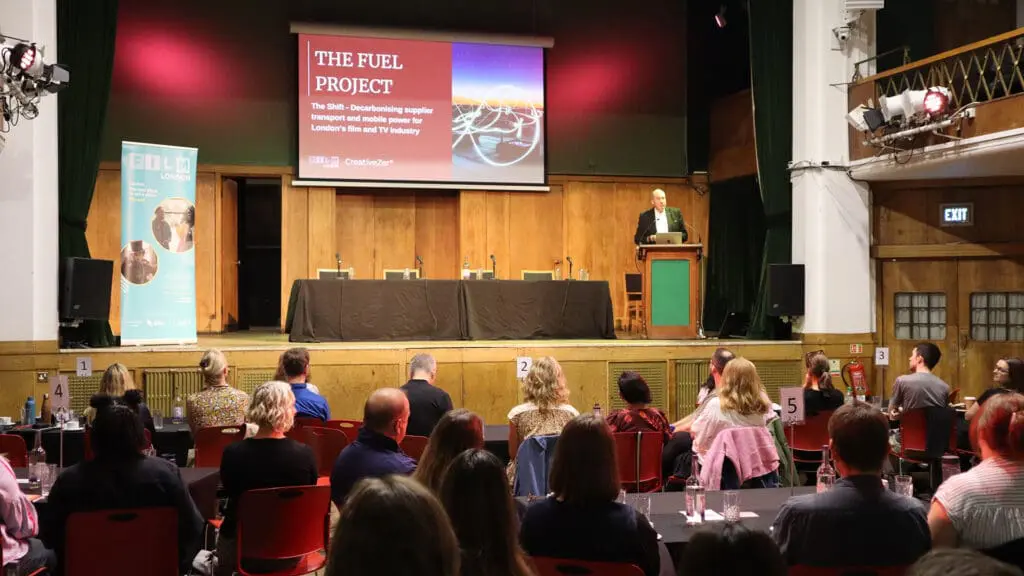

For Arts Council England and Julie’s Bicycle’s Annual Report 2024-25, we feature over 70 practical examples of cultural organisations taking climate action including in depth case studies like this one. Check out the full interactive report.
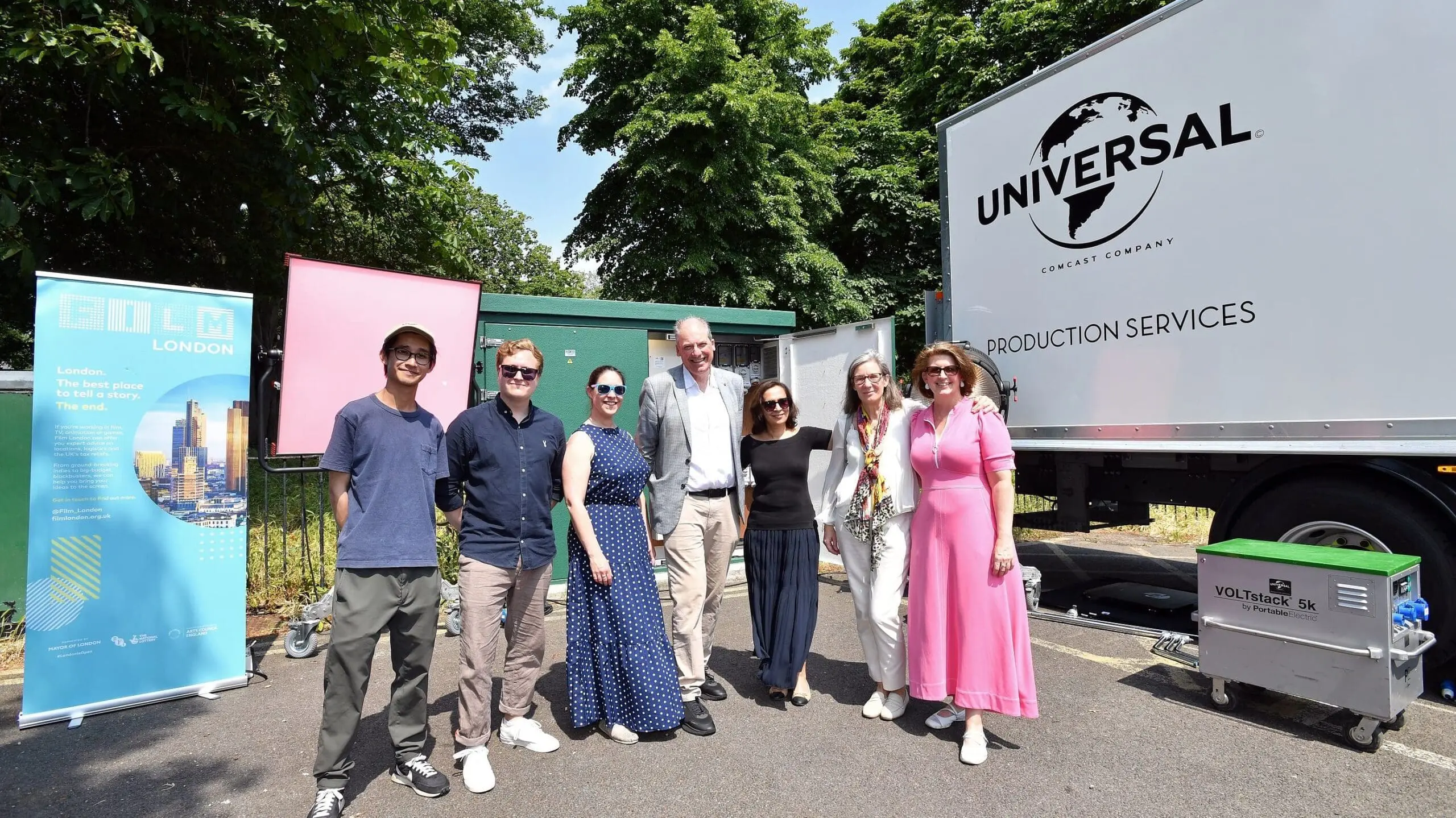
Film London’s Grid Project delivers green energy directly via the mains by installing an electrical feeder pillar in Victoria Park, London. With fuel consumption a major contributor to poor air quality, the project provides the first UK’s first on-location power pillar for film and TV, setting a precedent for the industry. So far, the electrical feeder pillar has avoided an impressive 108,163 litres of diesel and petrol and 279,828 kg CO2.
Collaboration is key!
The film and TV industry must continue to work closely together to confront the challenges of climate breakdown. Industry-wide collaboration is key if we are to reduce production emissions more efficiently.
– Daniela Kirchner, Chief Operating Officer of Film London and Lead Partner of Green Screen
Collaboration is central to Film London’s ethos, with every stage of the project developed in partnership with the industry.
Initial funding from Interreg Europe’s Green Screen programme enabled a pilot feeding pillar at a busy London unit base, scoped in consultation with location managers and the London Borough of Tower Hamlets. Next they secured further funding from Interreg Europe, the Mayor of London’s Good Growth Fund, NBC Universal and the British Film Commission to install a Grid cabinet in Victoria Park. This inspired the project to remain focused on fuel and with the support of Interreg Europe they completed the Fuel Project in partnership with Creative Zero. Finally, with the support of industry sponsorship from Netflix and Sky they went onto deliver the Shift Project, consulting 100 companies in partnership with Creative Zero.
Sharing knowledge to inspire wider change
Sharing experiences and insights from the project has been a key outcome for the Grid Project, using social media, press, newsletters and presentation opportunities at events such as Focus as a way to connect with industry peers.
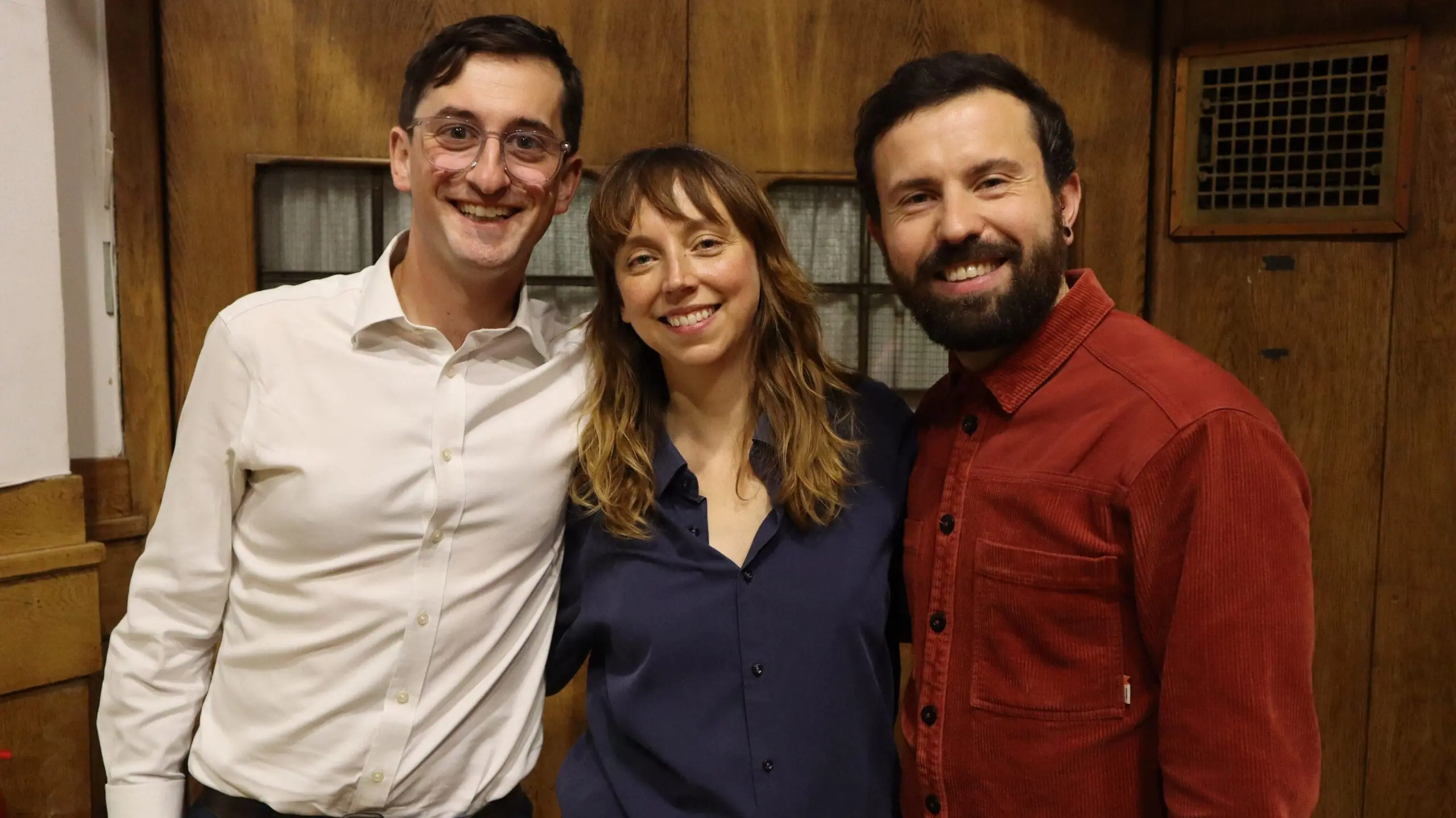
The Fuel Report and Shift Project, a collaboration between Creative Zero and Film London, details the carbon footprint analysis of London’s film and TV suppliers’ transport and mobile power fleets, and includes a plan for its successful shift to low-carbon technologies.
Focusing on three key decarbonisation technologies for suppliers: batteries, hydrogen, and hydrotreated vegetable oil (HVO), the report explores how these technologies can help reduce the sector’s carbon footprint. Key actions include improving planning, standardising energy use, expanding access to renewables, and phasing out fossil fuels. Crucially, the report also highlights the role of legislation in supporting decarbonisation and encourages the industry to use its influence to push for stronger environmental policies.
To boost long-term motivation, the report provides an analysis of stakeholders’ current mindsets alongside a hopeful, actionable plan rooted in collaboration and shared responsibility, offering a model for other sectors.
One of the many positive findings is that with recommendations and suggested joint commitments laid out by Creative Zero and Film London, it is possible London’s film and TV suppliers could transition to a zero-emission vehicle fleet entirely by 2033, achieving a 93% carbon emissions reduction by that year.
With continued industry support, the project is now moving to Phase III, building on learnings to date and scoping out next steps. Film London hopes that landowners will start to implement the learnings and excitingly, Liverpool under the UN accelerator programme, has moved to install several grid cabinets.
We are fully committed to making our screen industries as sustainable as possible, and initiatives like the Grid Project are a brilliant way of guaranteeing lower levels of emissions and noise pollution. We are very proud to have led on the project, and I hope that the initiative can encourage new projects to enact similar sustainable solutions throughout London and the UK.
– Adrian Wootton OBE, Chief Executive of Film London and the British Film Commission
Images: Header image: Fuel Project Launch Event, Rebecca Hemsley / Grid Project Team, Rebecca Hemsley | LR Shift Report Authors: Alexander Louis Jones, Roxy Erickson Creative Zero and Laurence Johnson, Rebecca-Hemsley.
Spread the word