
Cultura circular: 2025-2026 cohort

About the programme
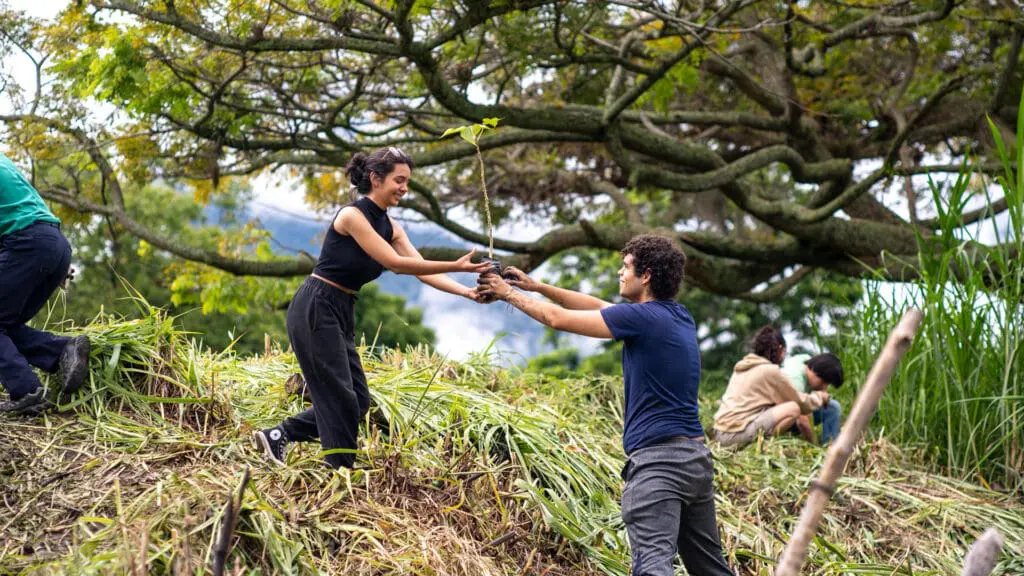

The 2025–2026 cohort brought together 33 festivals from all cultural disciplines across Argentina, Brazil, Colombia, Jamaica, Mexico, Peru and Venezuela. Through workshops, networking and mentoring, participants strengthened their climate action efforts and built collaboration across geographic and cultural contexts.
Julie’s Bicycle delivered training in three language-based groups — English/Spanish, Portuguese, and Spanish — combining expert input with interactive activities in online sessions. Topics ranged from climate literacy and environmental justice to environmental impact management and behavioural change for events.
Building on the previous cohort, this year’s Deep Dive sessions gave space for more specialised engagement. Dedicated sessions on carbon footprinting and narratives were complemented by two sector-specific panels — one for music, one for cinema — allowing festivals to go deeper into the challenges most relevant to them.
What participants said
All festivals reported that training sessions met their expectations. Networking sessions were particularly valued, creating space to share challenges, progress and strategies — and reinforcing the power of peer-to-peer learning. Many participants expressed a desire to stay connected beyond the programme itself.
We really enjoy hearing about different festival formats from different latitudes and with other scopes and objectives. The different ideas help you imagine other strategies that can be implemented.
— Programme participant
It would be enriching to maintain participation within the Circular Culture network beyond the annual selection cycles, allowing festivals to remain connected, learning and sharing experiences even when they are not direct beneficiaries in a specific year.
— Programme participant
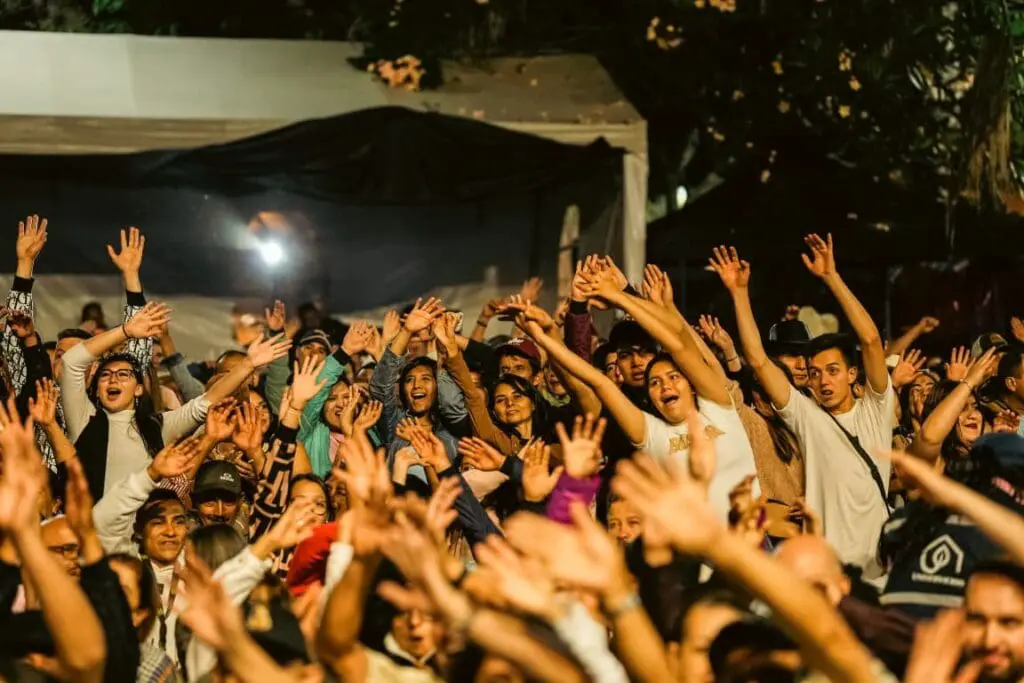

From learning to action
Across the sessions, festivals explored where they can have influence and how to work with others to drive change, even in areas outside their direct control. A recurring theme was the importance of keeping things flexible and focusing on high-impact areas, rather than trying to do everything at once. The programme helped participants recognise that not having full control over a situation does not mean they cannot influence it — by working with others, change becomes possible.
As a result, festivals are sharing knowledge internally and consolidating it in processes and manuals for future editions. Many are also reviewing their frameworks to better integrate social, environmental, and inclusion considerations together, rather than treating them as separate workstreams.
On the operational side, participants are strengthening collaboration across teams, suppliers and partners, and piloting concrete innovations: solar energy, replacing single-use plastic, rethinking food provision, and improving waste management. Several festivals are going further, actively working to regenerate public spaces — reconnecting communities with nature as a cultural right.
Festivals are also rethinking how they communicate with audiences: finding new channels, creating new narratives, and opening new spaces for environmental conversations. And many are now integrating climate action into planning and design from the outset, so that environmental decision-making shapes events from the start rather than being added afterwards.
Perhaps the most tangible sign of the programme’s reach beyond individual organisations: Colombian festivals have begun building a network together, turning peer connections formed during the programme into something more lasting.
Through a partnership between Festival de Cine Lima PUCP and PeliSolar — made possible through the Cultura Circular network — Peru’s first mobile cinema powered entirely by solar energy is now reaching communities across Lima. Using inflatable screens, films are projected in public, open-air spaces with free admission, in the districts of Huachipa, Cantagallo, and Comas. The project also extends beyond the capital, disseminating cinema in a decentralised manner in Trujillo and Puno, decentralising access to culture and strengthening collective memory through audiovisual language.
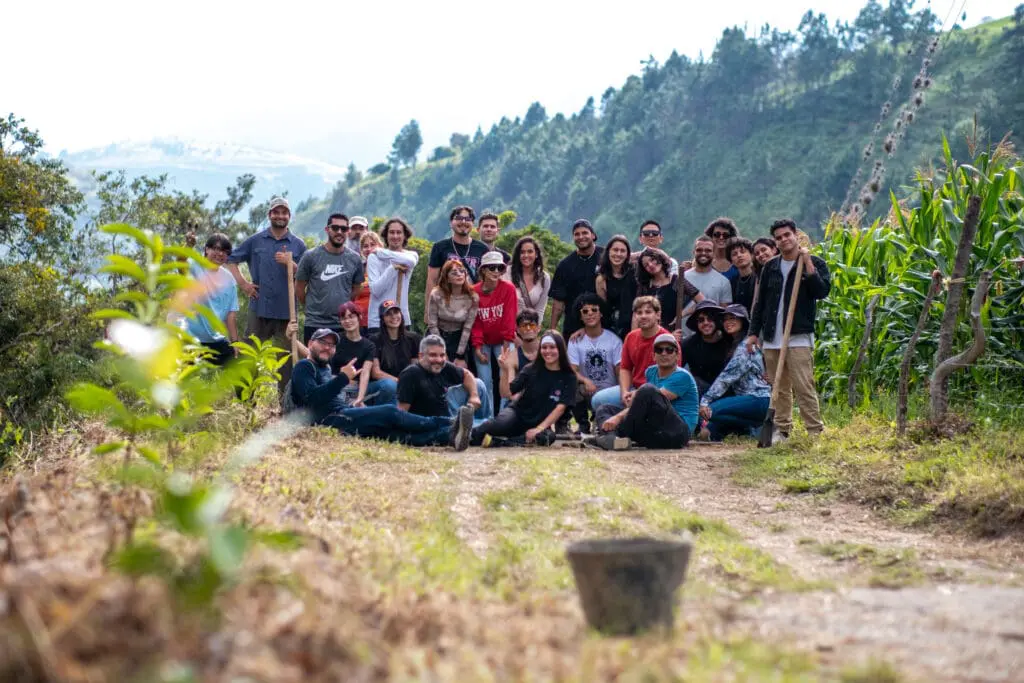

Participating in the Cultura Circular program allowed us to understand that sustainability is not a single model that is imported, but something that is built from the territory. The exchange with Sidharth Sharma, from the Shambala festival, was revealing in both directions: while we learned to visualize how to scale our impact without losing our rural essence, he discovered that in Colombia sustainability is not in a technical manual, but in the hands of the farmers who plant without pesticides, compost without machinery, and feed an entire community with what their own land produces.
— Programme participant, Festival La Despensa, Cajamarca, Colombia
The most useful aspect was the opportunity to ground our climate action approach in the specific context of cultural festivals — understanding the climate crisis not only as an environmental issue but also as a cross-cutting theme for management, communication and decision-making.
— Programme participant
The Cultura Circular programme showed us it is possible to produce events in a conscious and responsible way, transforming culture into a real tool for environmental care.
— Arnaldo Montilla, Festival Director, Apamate Festival, Venezuela
How festivals are thinking differently
Several themes ran through the sessions. Collaboration and partnerships proved essential — festivals found that working with others, even when slower, opened doors that individual action could not. Inclusion and community participation emerged as central to meaningful climate action, not just operationally but as a values question. Across contexts, festivals are leveraging arts and culture to connect audiences with the environment in ways that policy or data alone cannot.
These shifts are already visible in practice. In Mexico City, Festival del Bosque adopted a preventive and strategic approach to environmental impact for the first time this year — moving away from reactive measures towards a model that minimises negative impacts and maximises environmental benefits from the outset. Working with an external certification scheme, the festival is now implementing efficient resource management, improved waste management, environmental awareness for attendees, and sustainability criteria across its entire value chain.
In Argentina, the V Festival Internacional MET in Puerto Madryn found that participation in the programme deepened its organisers’ commitment to socio-environmental stewardship and gave them practical tools to act on it. For Fundación Cultural y Educativa del Infinito, the festival’s cultural mission and its environmental one proved inseparable — theatre becoming a way for communities to know their city, care for the natural environment, and reflect on quality of life. As one organiser put it:

— Organiser V Festival Internacional MET, Puerto Madryn, ArgentinaIt is wonderful to see how the community approaches and participates. Theatre can be an excellent way to get to know the city, learn to care for the natural environment, and reflect on how to improve our quality of life — in addition to constituting a cultural attraction that complements the natural beauty of Madryn. People are surprised to find such complex and beautiful shows.
Read the case studies
Explore how individual festivals across the cohort are putting these ideas into practice. Each case study looks at what changed, how, and what it meant for their audiences and communities.
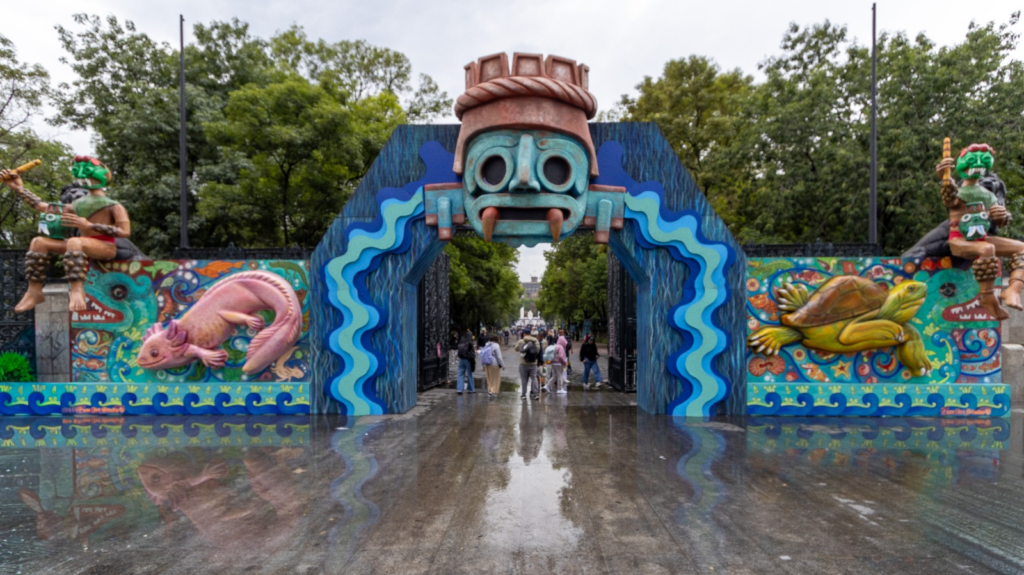

Festival del Bosque — Mexico City, Mexico
Adopted a proactive sustainability model, implementing efficient resource and waste management, raising environmental awareness, and integrating environmental criteria across its entire operational value chain.
Learn more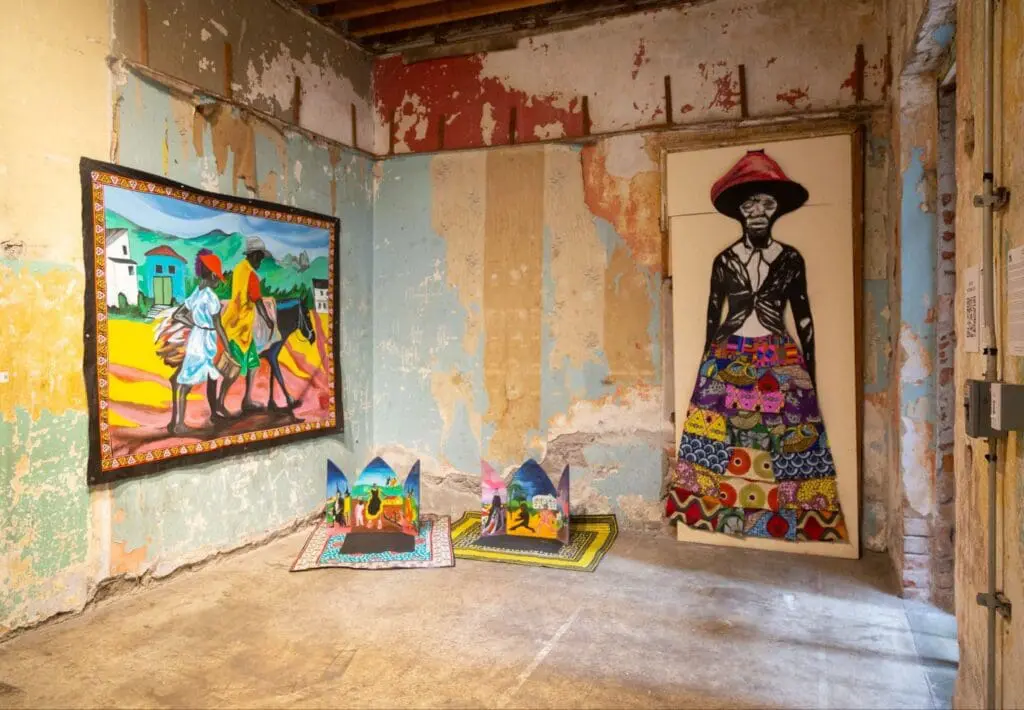
Salón Acme — Mexico City, Mexico
Artist-led platform connecting emerging talent with audiences, advancing climate action through workshops, operational review, and international exchange with artists addressing ecological issues.
Learn more
Afropunk — Bahia, Brasil
Global celebration of Black culture, implementing its first carbon inventory, eliminating single-use plastics, managing waste, and supporting ecological restoration through tree planting in local communities.
Learn more
Se Rasgum — Belém, Pará, Brasil
20th-anniversary edition aligned with ALMA conference, positioning Belém as a hub for international culture, Amazonian identity, and environmental dialogue ahead of COP30.
Coming soon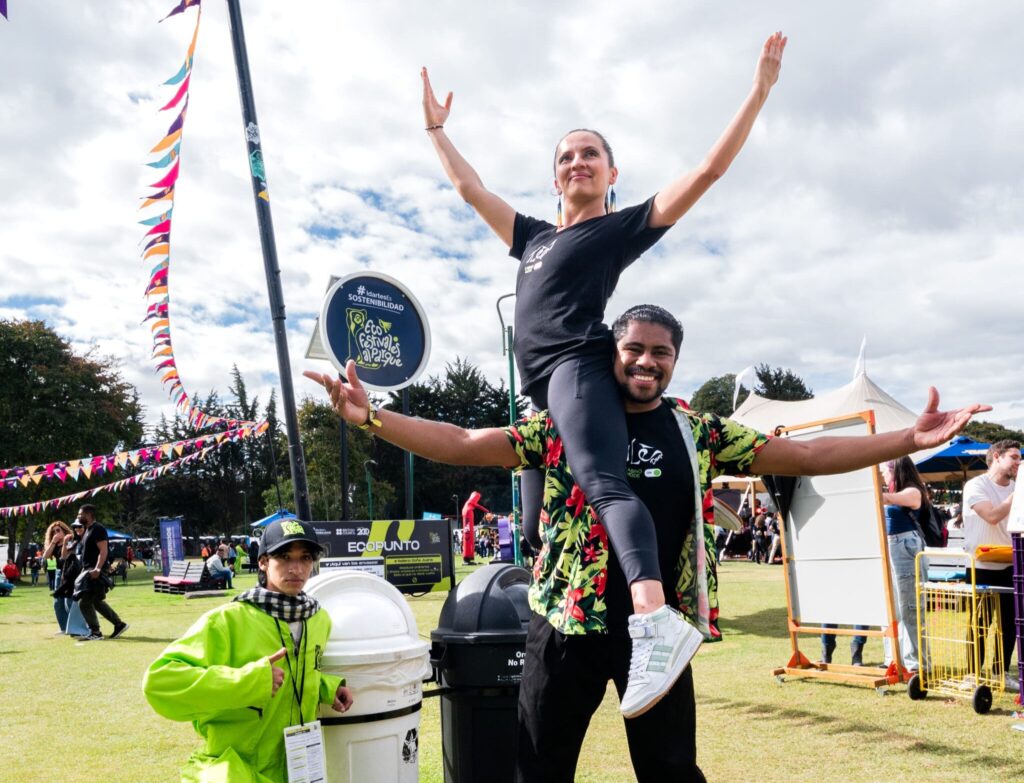
Festivales al Parque — Bogotá, Colombia
Major free music platform reaching 900,000 people, developing environmental tools including a footprint calculator, sustainability guide, and procurement protocol through its EcoFestivales initiative.
Learn more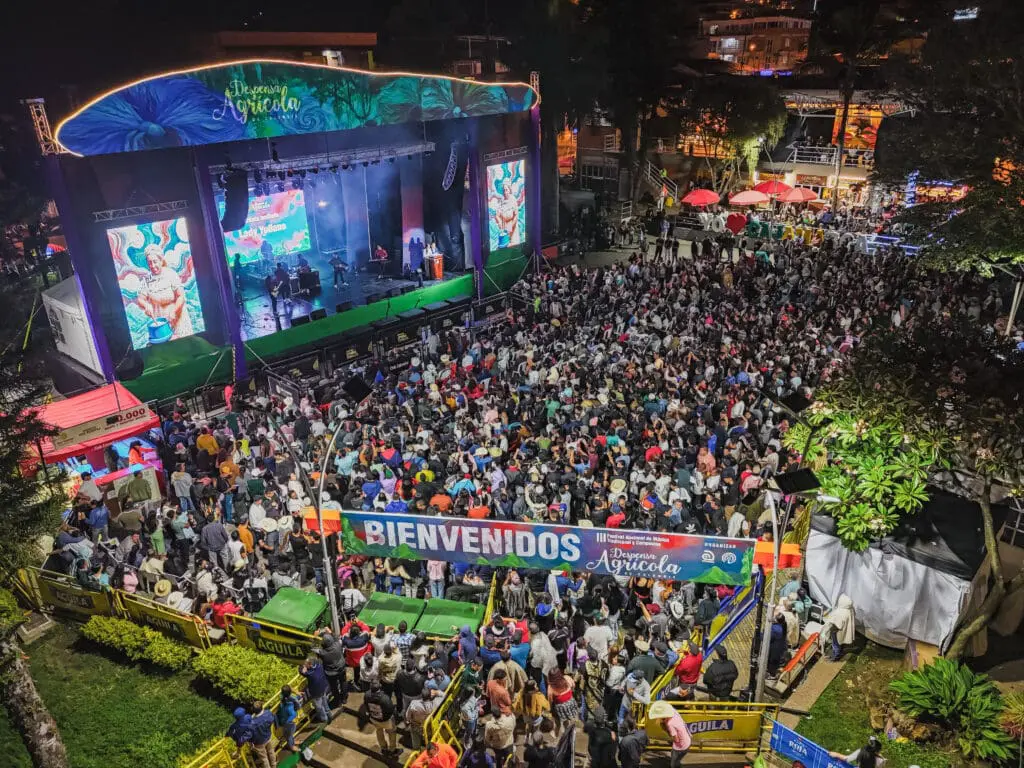
Festival Nacional de Música Campesina “Despensa Agrícola de Colombia” — Cajamarca, Colombia
Biennial rural festival celebrating music and agriculture, exploring sustainable growth through international exchange while maintaining local, community-rooted environmental practices.
Learn more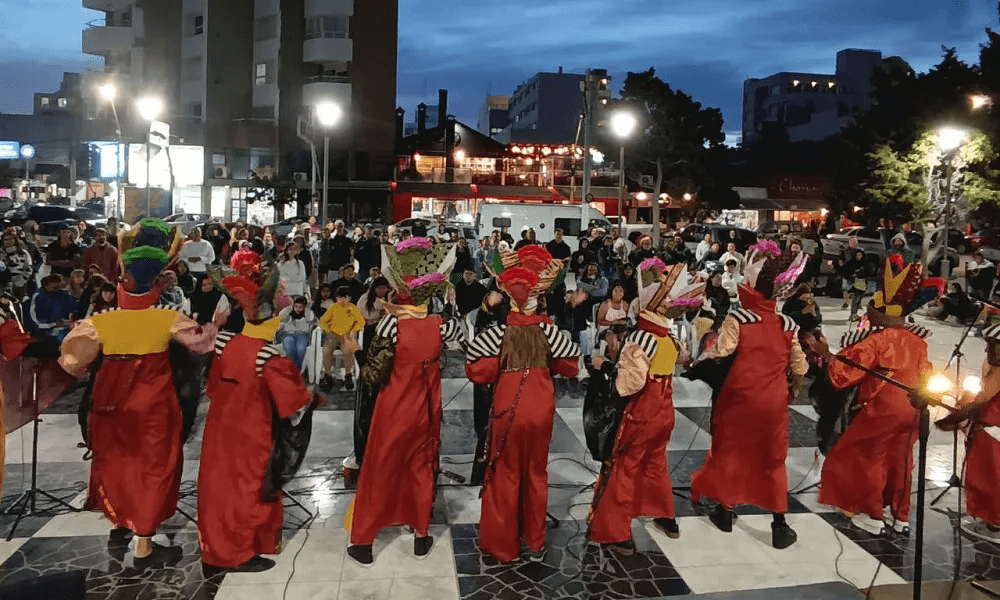
Festival Internacional MET — Puerto Madryn, Patagonia, Argentina
Free performing arts festival combining theatre and community action, promoting environmental awareness through coastal clean-ups, recycling workshops, and artistic engagement with marine conservation.
Learn more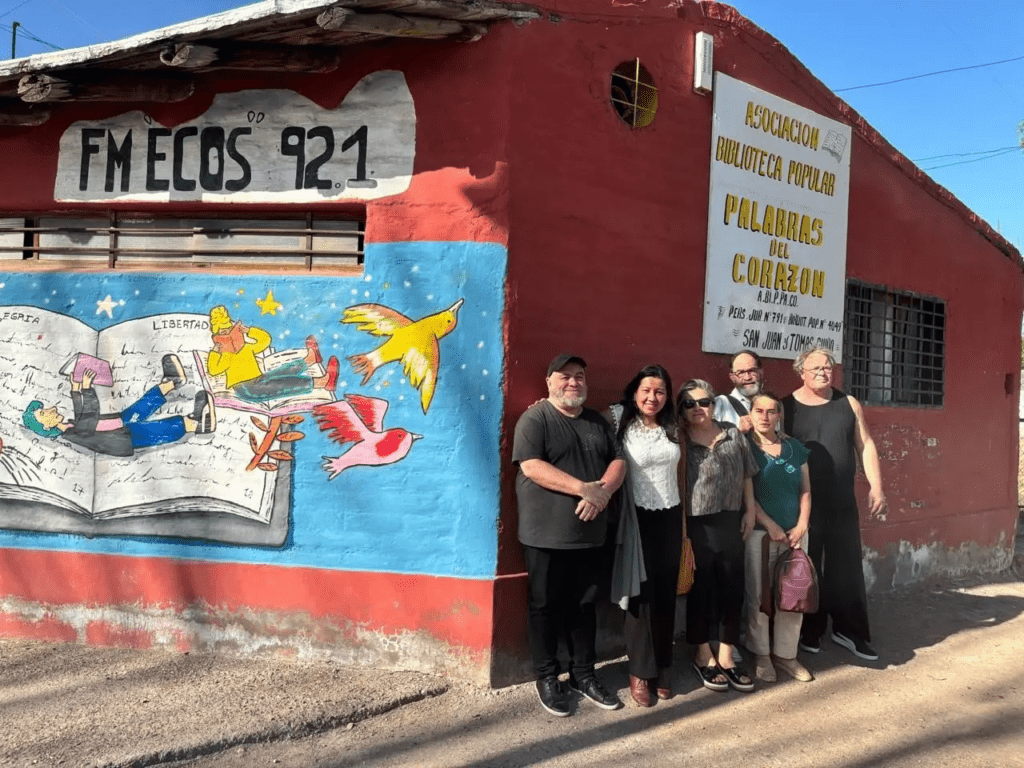
VaPoesía Argentina — Mendoza and Buenos Aires, Argentina
Itinerant poetry festival reaching vulnerable communities, integrating sustainability through recycling practices, low-emission transport, and environmentally conscious literary production methods.
Learn more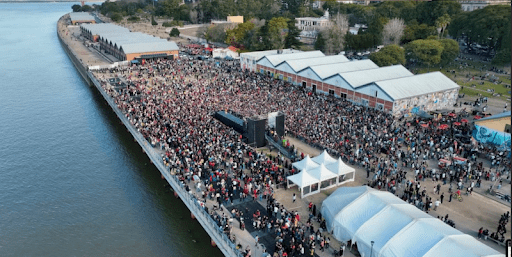
Crack Bang Boom, Argentina
Comics festival supporting emerging talent, promoting sustainable publishing through recycled print materials and digital formats like webcomics as ecological alternatives.
Learn more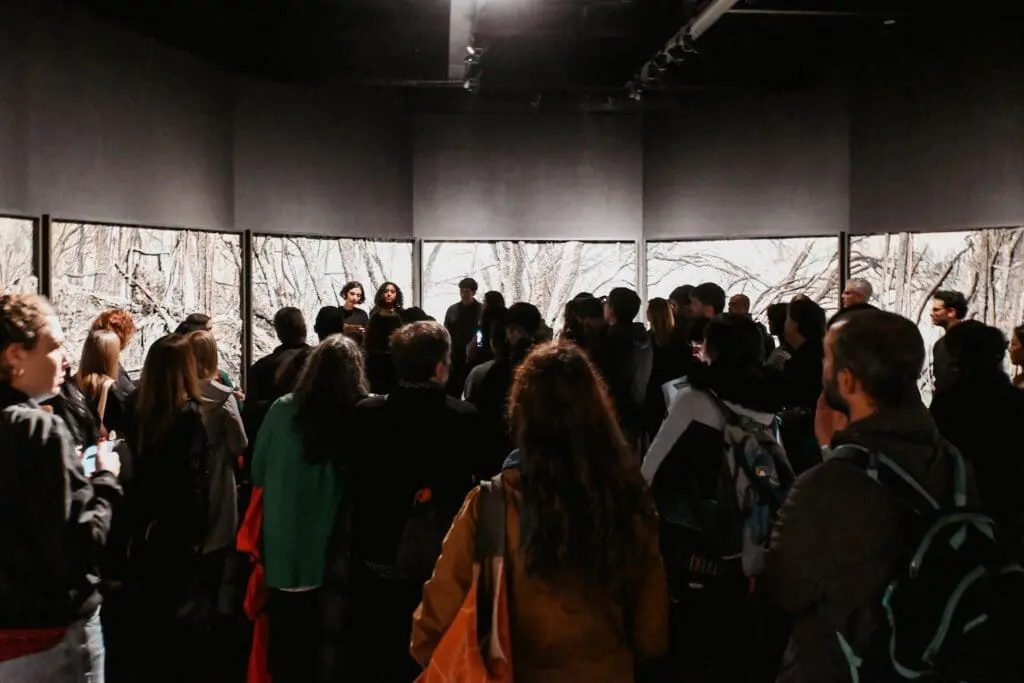
Festival Internacional de Literatura Filba — Buenos Aires, Argentina
International literature festival embedding sustainability by eliminating paper use, tracking audience emissions, gifting native plants, and supporting flood-affected communities through book donations.
Learn more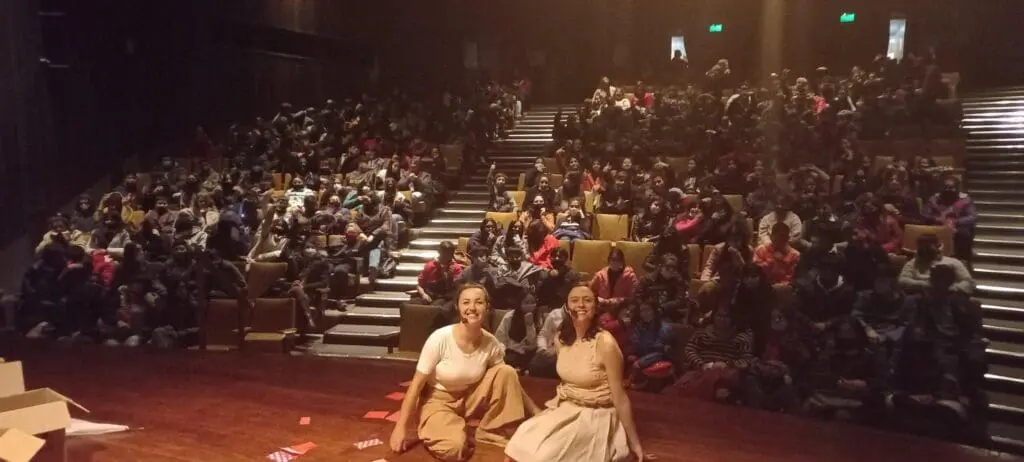
Festival Internacional de la Palabra en Escena — San Luis, Argentina
Performing arts festival focused on youth access, integrating sustainability through reduced resource use, reusable materials, and environmental education within its programming.
Learn more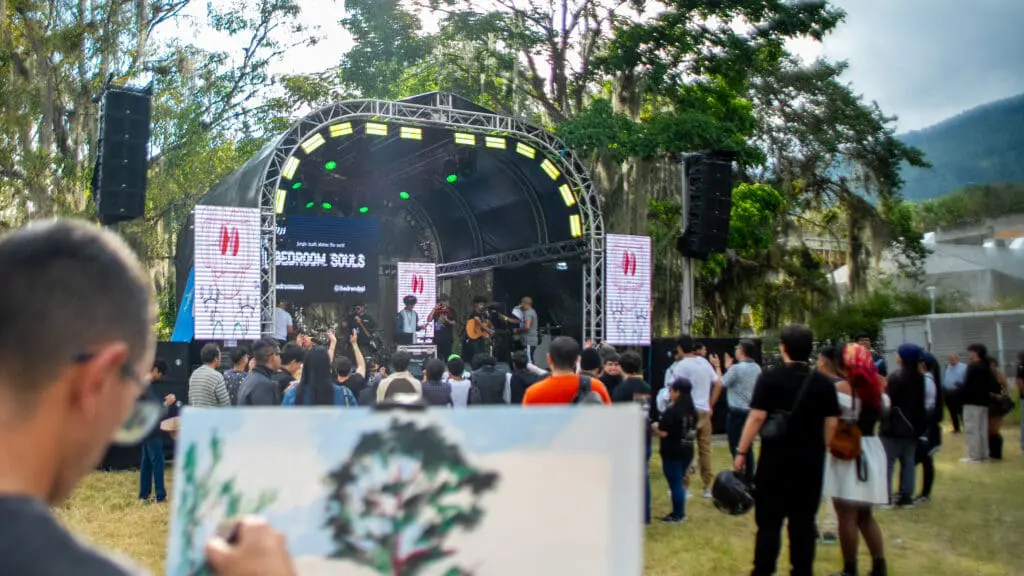
Apamate — Mérida, Venezuela
Music and culture festival linking performance with activism, advancing sustainability through reforestation, ecosystem restoration, efficient suppliers, waste management, and local food partnerships.
Learn more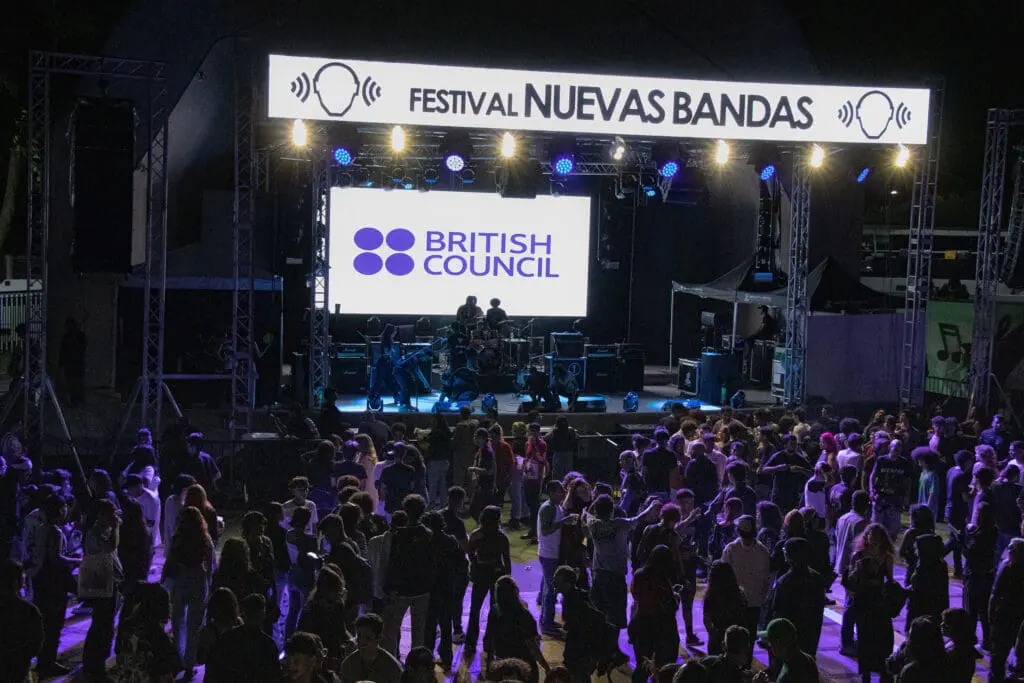
Festival Nuevas Bandas — Maracay, Venezuela
Long-running music platform promoting emerging talent, implementing recycling, reusable systems, sustainable logistics, and reduced plastic use through its climate-focused initiative.
Learn more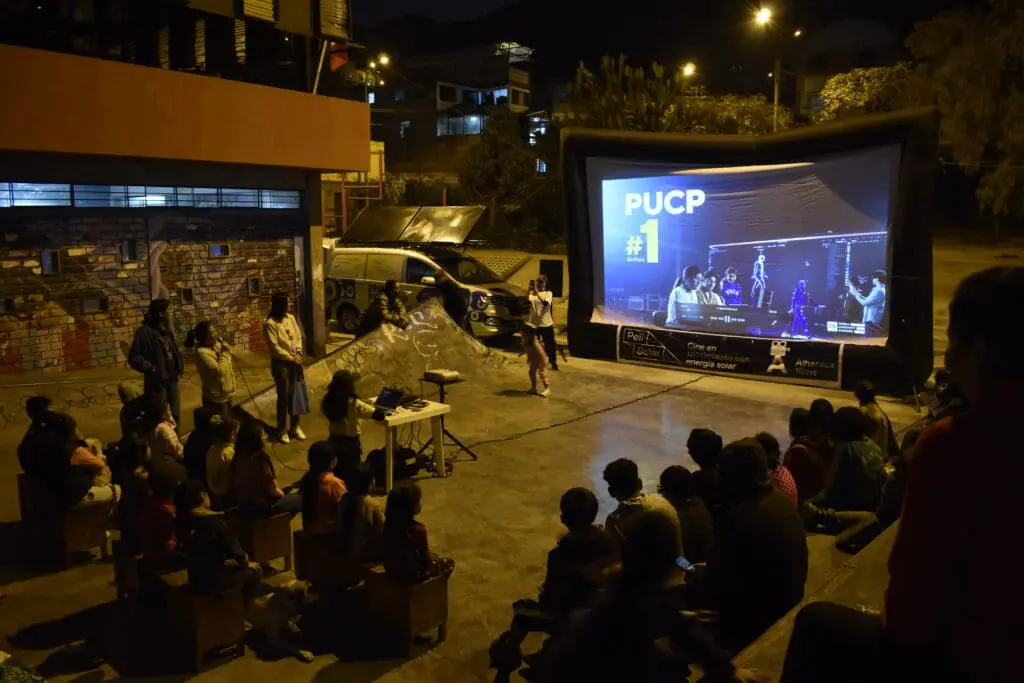
Lima PUCP Film Festival — Lima, Peru
Film festival expanding access through solar-powered mobile cinema, bringing free screenings to underserved communities while integrating environmental awareness and cultural memory.
Learn more
Cultura circular
A capacity-building programme for arts and culture festivals across Latin America and the Caribbean. Julie’s Bicycle delivered the programme’s capacity-building activities with support from British Council Americas, connecting festivals in shared climate action — building knowledge, forging partnerships, and putting culture at the heart of the climate crisis response.