
Across the arts and cultural sector, a growing movement of organisations and practitioners are already building deep connections with the communities most impacted by climate change, holding space for difficult conversations and helping people co-create the adaptation strategies and responses they actually need. As climate risks intensify, the pathway to building resilience is through centring equity and inclusivity to respond to what matters locally, both now and for the future.
We designed our Leading Resilience programme to support creative organisations and networks to understand the roles they could play in co-creating better futures, and how to take practical steps to adapt, build stronger partnerships, and lead climate resilience efforts in their communities.
In 2024-25, Julie’s Bicycle delivered a pilot programme – Resilient Horizons – as part of the Environmental Responsibility programme delivered for, and in partnership with, Arts Council England.
Written by Vicky Sword-Daniels and Hannah Graham, Arts Council England Environmental Programme Leads at Julie’s Bicycle.
Throughout 2023-2024, we undertook a period of learning about the cultural sector’s engagement with climate adaptation and resilience. We spoke to organisations leading creative engagement on adaptation, conducted research to find examples of adaptive responses, engaged with the sector through both webinars and peer-share spaces, and commissioned a literature review of published creative and cultural resilience projects and practices. From this learning, we designed the Resilient Horizons pilot programme in 2024-25.
Resilient Horizons
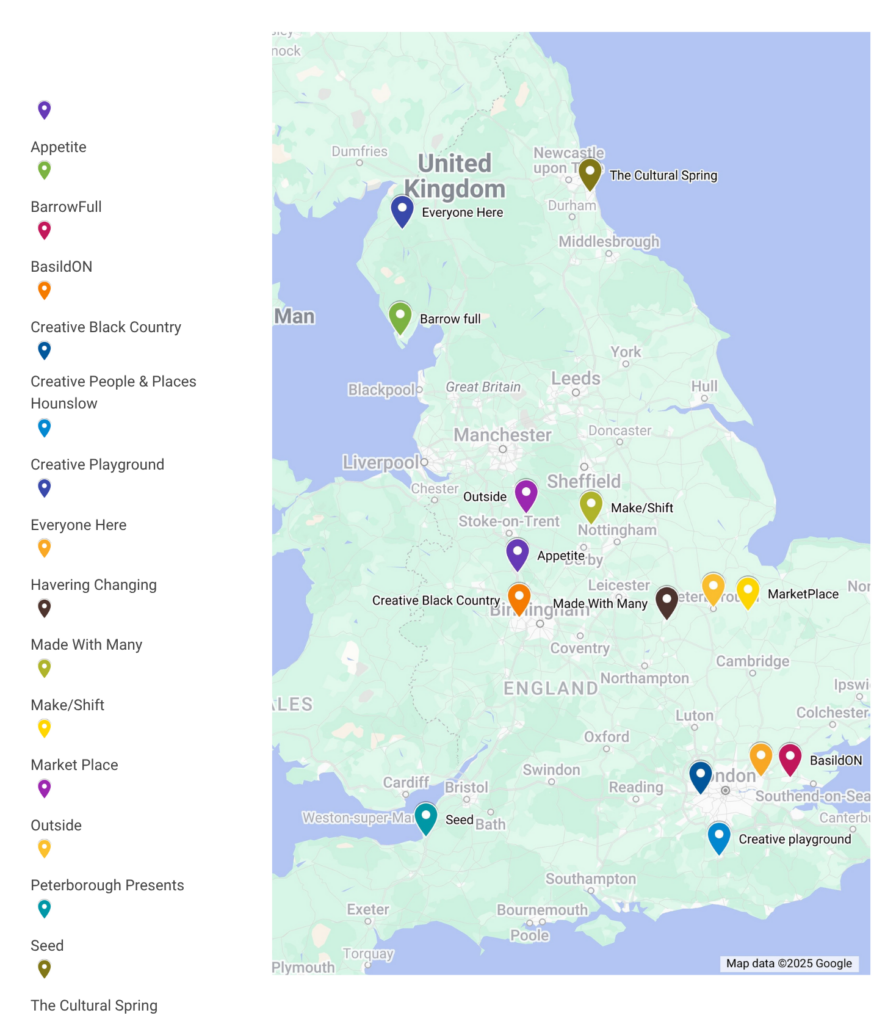
Creative organisations embedded in their community are uniquely positioned to foster resilience to climate change. For Resilient Horizons, we partnered with 15 Creative People and Places (CPP) consortia projects across England – all were deeply connected and trusted within their place contexts. Together, we explored how resilience and adaptation could build upon their existing creative programmes, or nature and food growing-focused projects. With our support, they embarked on a journey to explore possible community-led approaches to climate adaptation, both collectively and tailored to their specific local contexts.
Community outreach
The Arts Council England’s CPP programme prioritises cultural activities that are led and shaped by local people, aiming to boost arts participation in areas where engagement falls well below the national average. These are often the same communities most exposed to climate-related challenges, such as high levels of pollution, flooding and overheating, plus the impacts on health and wellbeing. We brought together the creative leads of those organisations to explore how future-focused ideas could be introduced in ways that are relevant and accessible to their communities. This approach aimed to foster meaningful conversations about climate adaptation, grounded in local experience, identity and cultural expression.
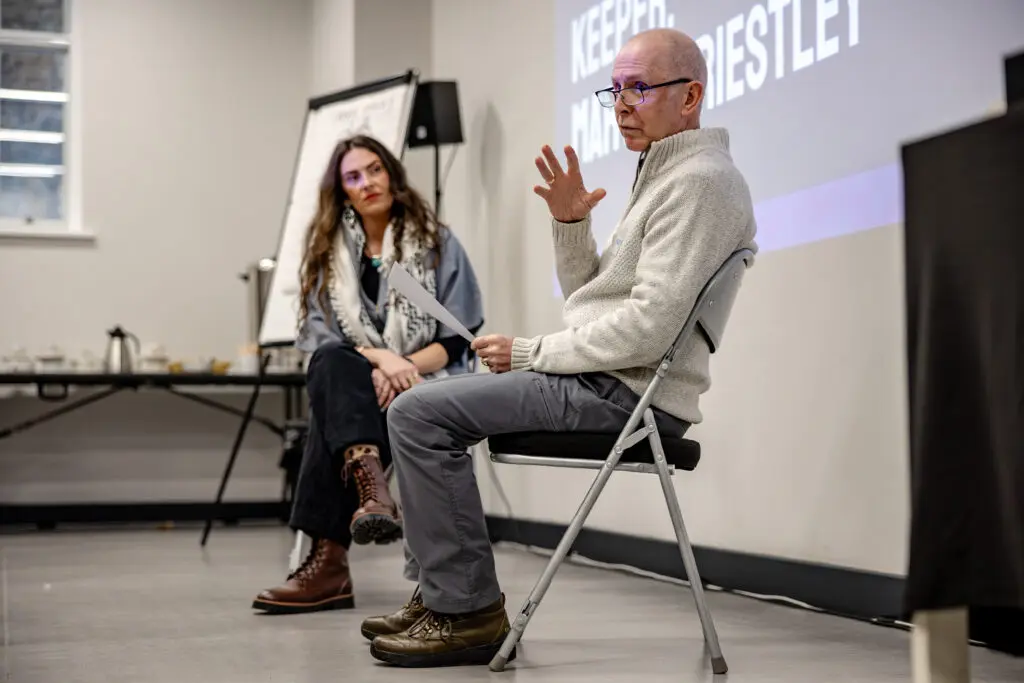
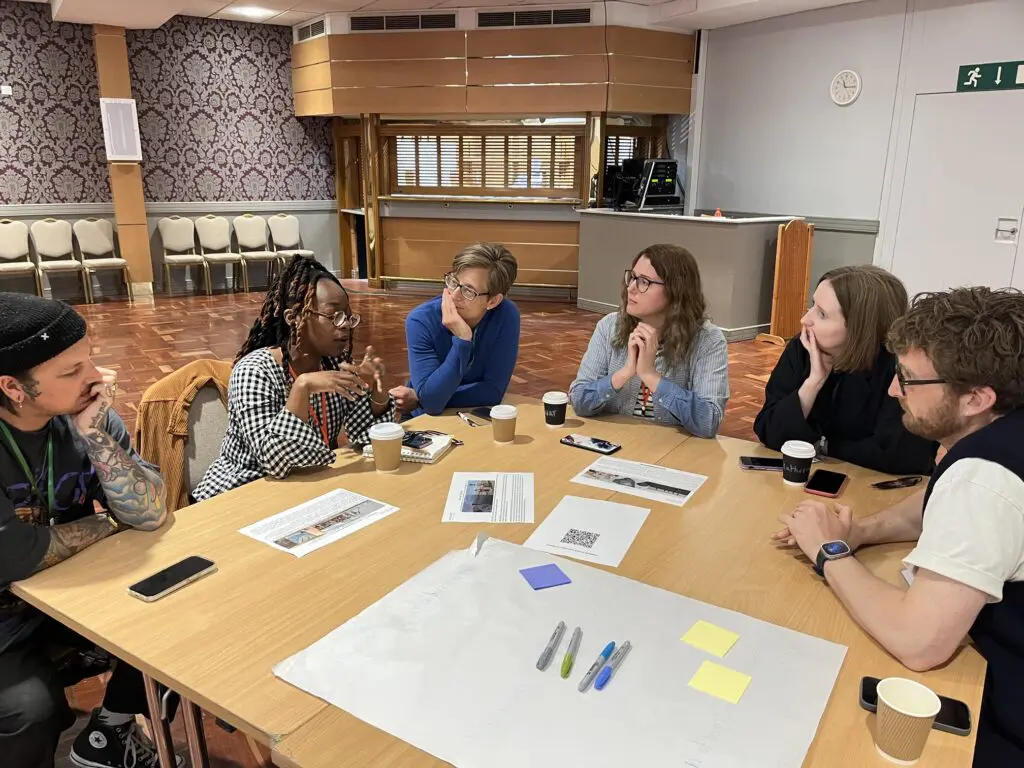
We delivered our Resilient Horizons programme over six online sessions introducing the key aspects of resilience and adaptation. We also used these sessions to set the context for why ‘community’ (i.e groups formed through connection to place, identity, culture) input is crucial and must reflect the needs and strengths of local people. To select our consortia for Resilient Horizons, we delivered an initial workshop during a wider CPP gathering in Barrow-in-Furness, in June 2024. We introduced our focus on local approaches to climate adaptation and resilience, and the role that creativity and culture can play in community resilience building. We created activities using case studies of national, cultural projects that have successfully delivered this work in varied ways. This allowed us to gauge interest, understand the specific challenges and support needed, and informed the content of the subsequent workshops. A total of 15 organisations joined the pilot programme.
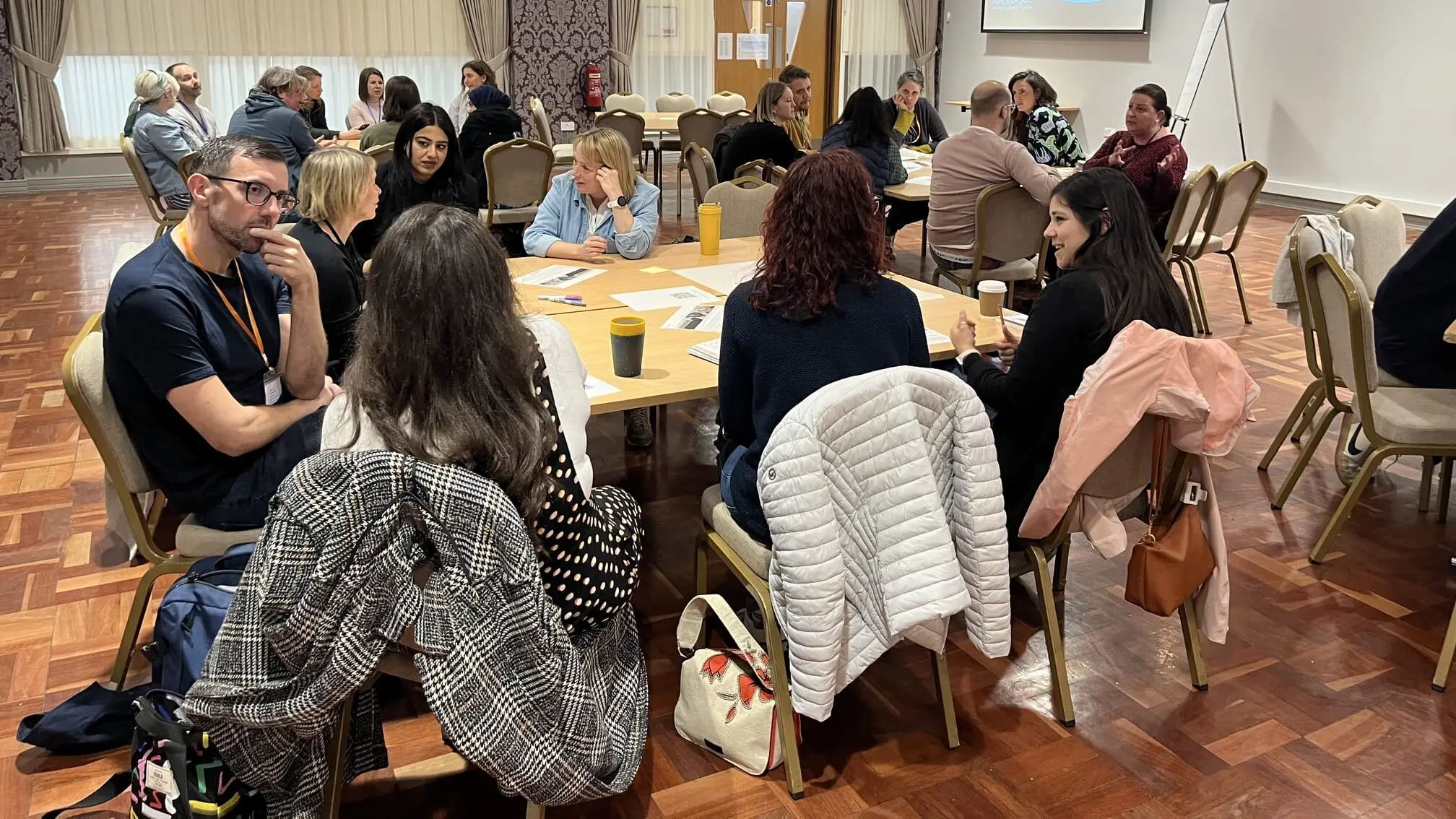
The programme team, Vicky Sword-Daniels, Hannah Graham and Farah Ahmed, brought specialist expertise in climate adaptation and resilience, creative facilitation, cultural strategy and climate justice. We explored adaptation through the lens of culture, and the programme team created a new Creative Adaptation Framework for engaging with adaptation and resilience work. We used this framework to guide the engagement process, revisiting it throughout the sessions to deepen learning.
As a pilot, a co-creation element was key to designing workshops aligned with existing ways of working, while introducing new climate concepts. Each week we asked for feedback on how the group was evolving their understanding and their needs for implementing this work. We kept the sessions flexible to enable us to go back over content, dive deeper into areas needing further discussion, or allow for more peer discussion on new learning, concepts and ideas.
Connecting diverse voices on climate
What was unique and interesting about this group was their geographical spread, which brought varied experiences and impacts felt from climate change. For example, some organisations were based in seaside towns already experiencing rising sea levels and subsequent flooding. Others were based in rural settings, which brought their own challenges, such as engaging meaningfully with landowners and discussing land use. Because of this diversity, and because CPPs are, by definition, community-led, a session on communicating climate was crucial. We focused on understanding the leverage points for connecting with different people in society, from local counsellors to students, to find the right language to resonate, motivate and lead to action.
We designed some sessions with homework, enabling the group to go away and explore the resources, website and tools we had introduced in the workshops. For example, participants learned how to research likely local climate futures and combine this knowledge with knowledge from local experts to gain a holistic understanding of both scientific data and lived experience. By working together, the CPP consortia identified both similarities and differences between them that sparked valuable discussion in breakout rooms. This dialogue was crucial given that the work took place within an arts-led programme, focused on delivering artistic activities and specific engagement outcomes. Moving towards long-term, community-led adaptation outcomes takes time, momentum and ongoing resources, which can be more difficult to achieve and measure within these programmes in the short term. It was crucial to create dedicated space for exploring how live projects connect across the geographies, integrate adaptation themes, or retrofit planned cultural activities to inspire future possibilities.
Reflections and next steps
Ultimately, both new and pre-developed project ideas evolved from the sessions. All centered on creating awareness of our changing environments, connecting to nature, celebrating heritage as a strength in adaptation, and creative activities to connect and develop community visions for the future. Towards the end of the programme, we offered the group an opportunity to decide on a final session that could really help them to embed this work into their current or upcoming delivery plans. Some organisations saw direct links and possibilities, others were on the cusp of launching funding and curious about how they could build this into small community funding pots to try out new ideas. The final session then focused on the practicalities of writing this work into exciting artists’ or creative briefs, to call for creative responses that engage communities and build climate adaptation into their projects and approaches. One organisation planned to develop a green book for arts projects to inform decision-making on commissioning artists’ work and creative projects.
After the final session, the group told us that they felt a stronger commitment to incorporating climate change considerations into their work, and felt more confident about trying out community-led adaptation responses. Around the time of the programme, the political landscape had become a more challenging context to do the work, and starting this pilot earlier may have improved outcomes. Despite this, CPPs shared that they had gained a new way of framing and communicating climate issues, and conveyed that they would like to continue to meet to share progress on the adaptation work and exchange ideas. They also valued inspiration from case studies and shared spaces to meet and hear from other CPPs. Together they moved through challenges, made space for imagination and found space to weave this new learning where they could, united by a renewed sense of shared determination to creatively build resilience in the face of a changing climate.
Read about our other adaptation and resilience programmes, Adaptive Futures Bradford and Creative Climate Accelerator Bradford.
Spread the word