
– Authored by the team at D6
Over 150 million people living on the Mediterranean coast rely on tourism and agriculture, and diverse ecosystems, ancient civilisations and modern economies have built a complex and unique environment renowned for its cultural richness and historical significance, but today, the region is increasingly vulnerable to the impacts of climate change and an undisputed climate hotspot.
From water scarcity disrupting agriculture to extreme heat placing stress on urban environments to devastating wildfires, this is a complex issue with political, social and environmental components, without a singular solution. The Mediterranean now faces unprecedented challenges as one of the world’s most climate-vulnerable areas, and finds itself at the forefront of the global climate crisis.
What is MATCH?
MATCH (Mediterranean As The Climate Hotspot) is a project that fosters awareness of and responds to the climate crisis by connecting artists with community gardens in urban environments, where rising temperatures are having a significant impact on both residents and the cityscapes they inhabit.
MATCH explores how cultural heritage, artistic expression, gardening practices and local knowledge can strengthen climate resilience, environmental justice and sustainability. It focuses on community gardens because they play an important role in addressing the climate emergency in cities, from urban cooling and food production to nurturing citizen engagement with climate-related challenges.
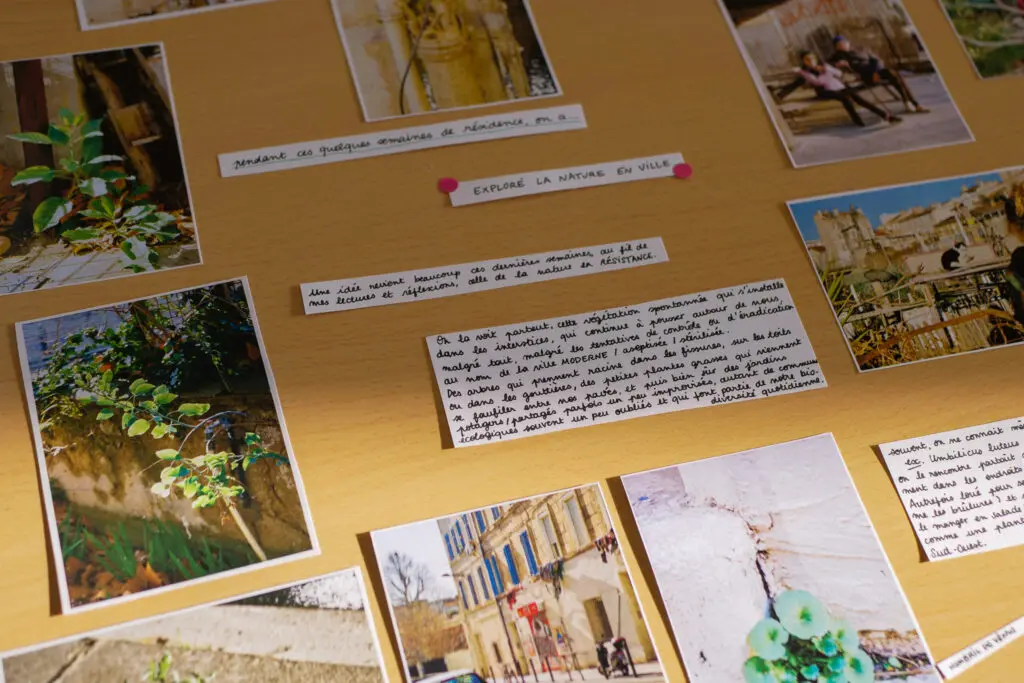
Against this backdrop, MATCH aims to nurture social awareness and engagement by embedding arts practices within community gardens.
By fostering site-specific practices and dialogue, MATCH supports artists and creative professionals to explore sustainable living, community resilience and climate adaptation rooted in Mediterranean environments and knowledge systems. MATCH approaches its central questions through an interrelated programme of activities.
Collectively, MATCH believes that citizen engagement and regenerative practices are key to enabling the societal changes necessary to address this ‘hot’ issue and adapt to new realities. While each region faces unique social and ecological conditions, community-driven and cultural activism courses through the veins of each city.
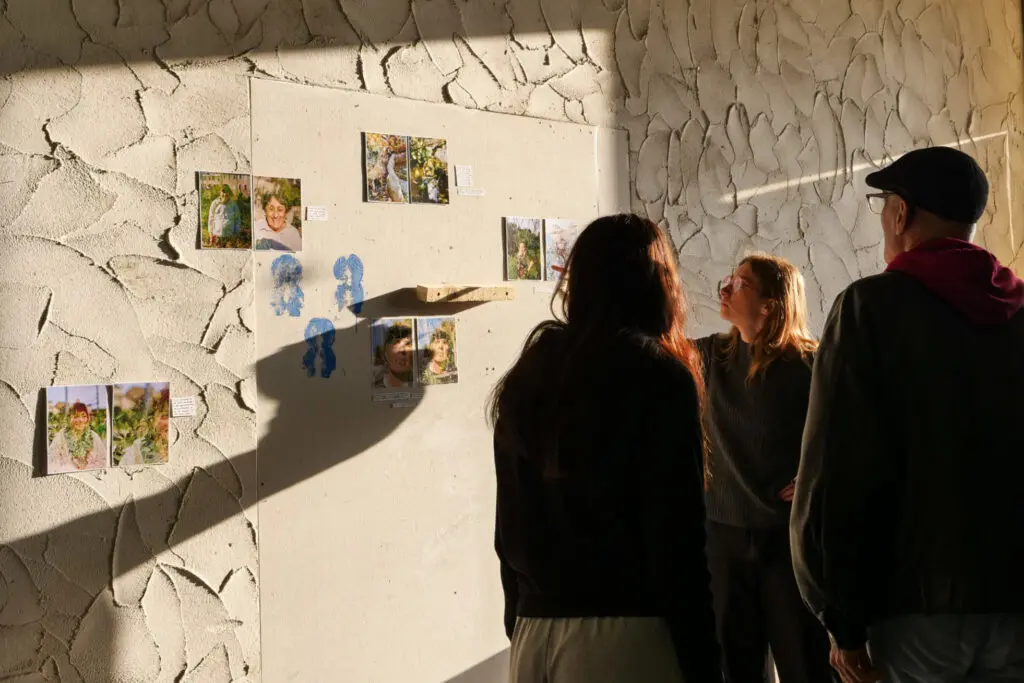
Over the last two-and-a-half years, MATCH has connected artists and cultural organisations to community gardens across five Mediterranean cities:
- Nicosia, Cyprus, working with D6:EU
- Izmir, Türkiye, working with BJCEM
- Athens, Greece, working with National Technical University of Athens
- Marseille, France, working with La Friche
- Barcelona, Spain, working with Mapa das Ideas in Portugal
Each partner worked collaboratively at a local level with arts and community garden partners, bringing distinct geographical, political and cultural perspectives, enabling MATCH to investigate how creative, place-based practices can complement scientific research and policymaking in addressing environmental degradation. The gardens were:
- Gardens of the Future, Cyprus,
- K2 Contemporary Art Center, Türkiye.
Research
Guiding the programme was a background research report produced by the National Technical University of Athens and a mapping of best practices produced by D6:EU. This aimed to inform the conceptual development of the programme and provide a common understanding of the environmental context in each partner country.
Embedded residencies, engagement and public presentations
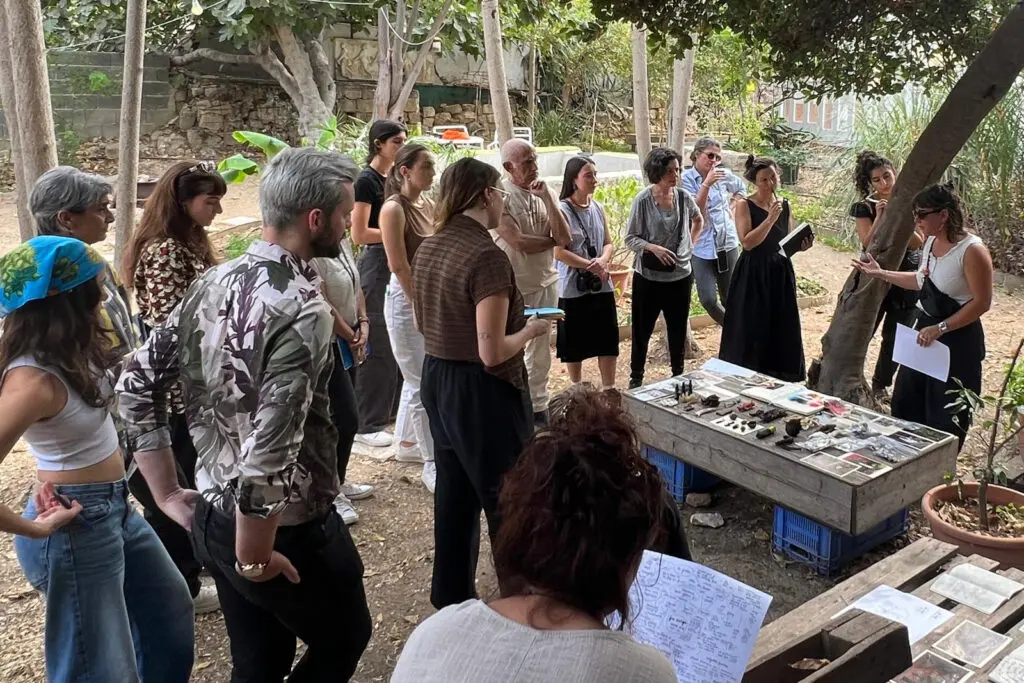
At the heart of the programme are 10 exceptional artists:
- Maya Aghniadis (Lebanon/Greece)
- Swati Devichi (Portugal)
- Nafsika Hadjichristou (Cyprus)
- Garance Maurer (France)
- Caterina Miralles (Spain)
- Joana Amora (Brazil/Portugal)
- Lizzie Reid (Spain)
- Hannah Taylor (France/South Africa)
- Christina Zampoulaki (Greece)
- Annalisa Zegna (Italy)
The artists co-produced new site and context-specific artworks in collaboration with local communities through five joint residencies between October 2025 – June 2026, each for two artists, in Greece, Cyprus, France, Spain and Turkey.
The residencies were hosted by:
- Duncan Dance Research Center (Athens, Greece)
- Gardens of the Future (Nicosia, Cyprus)
- La Friche la Belle de Mai (Marseille, France)
- La Escocesa (Barcelona, Spain)
- K2 Contemporary Art Center (Izmir, Türkiye)
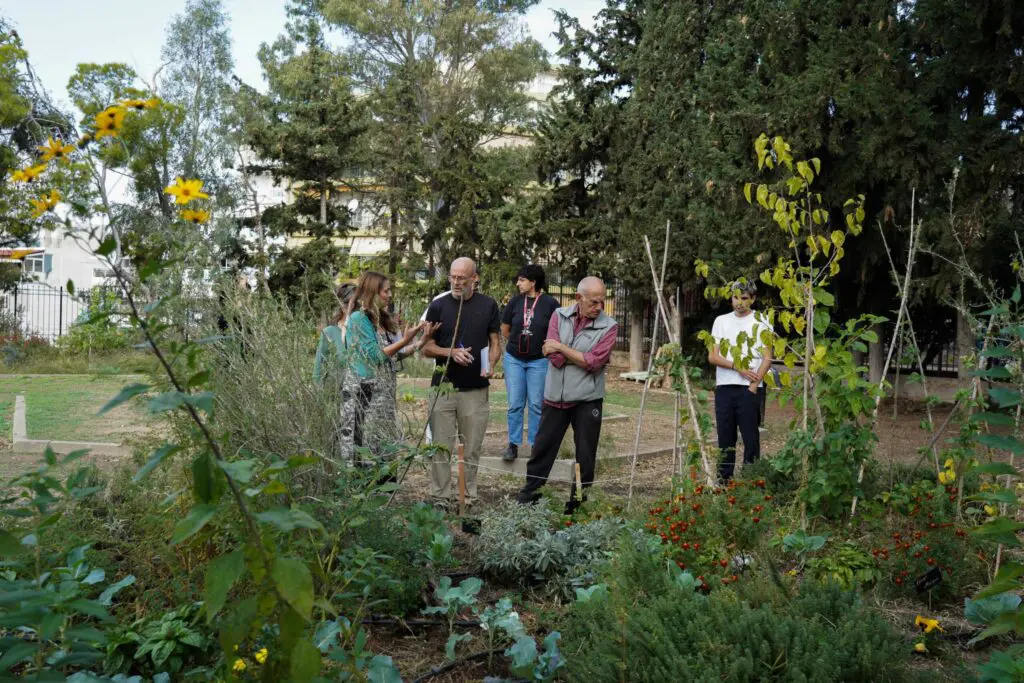
These venues ranged from community gardens to cultural hubs and artist-led institutions, and offered grounded, context-specific environments for artistic exploration and climate engagement.
After four months of post-production time in their home country, the artists then returned to their residency location to present their work through an ‘exposition’ of practice.
We use this term to describe a mode of engagement beyond a traditional exhibition which includes workshops, performances, artist-led walks and a combination of both temporary and permanent installations in community garden settings as a way to nurture engagement and action on climate change.
Transnational learning
Alongside artistic engagement, MATCH also ran an integrated capacity building programme, which offered rich opportunities for shared learning on artistic and community actions responding proactively to the climate emergency.
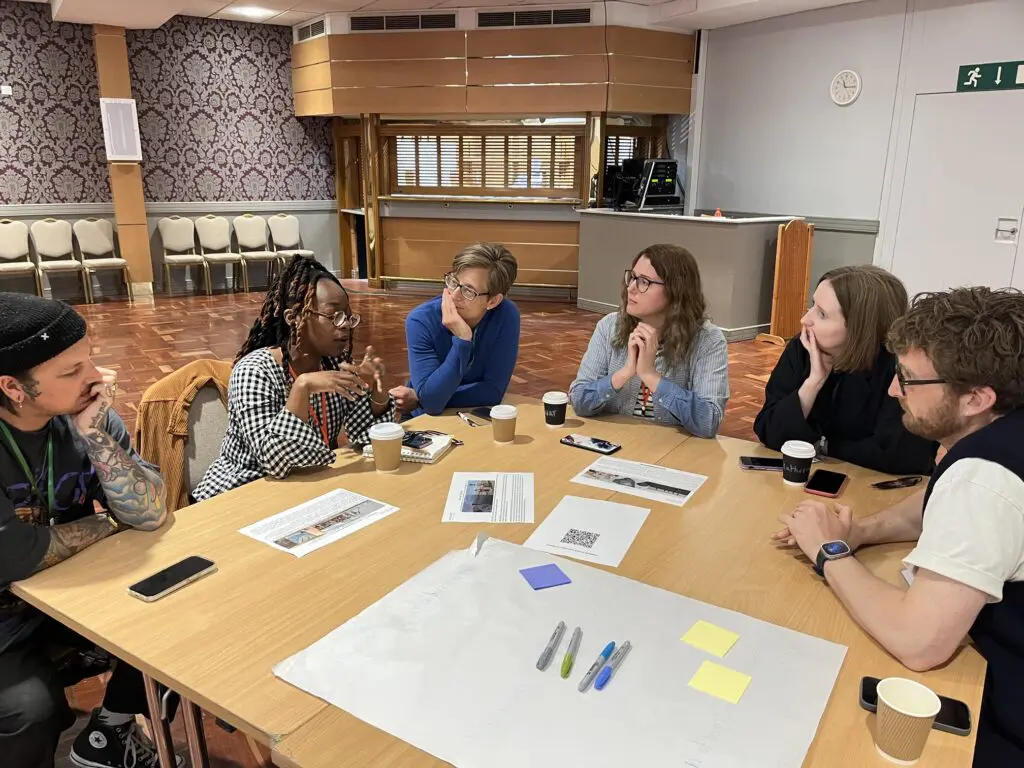
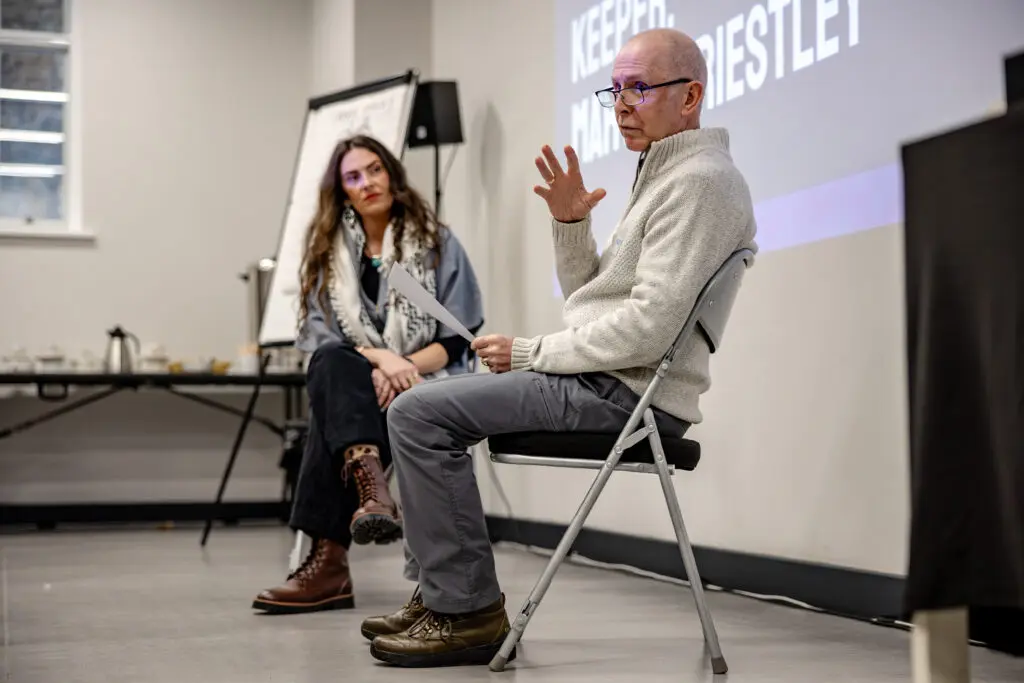
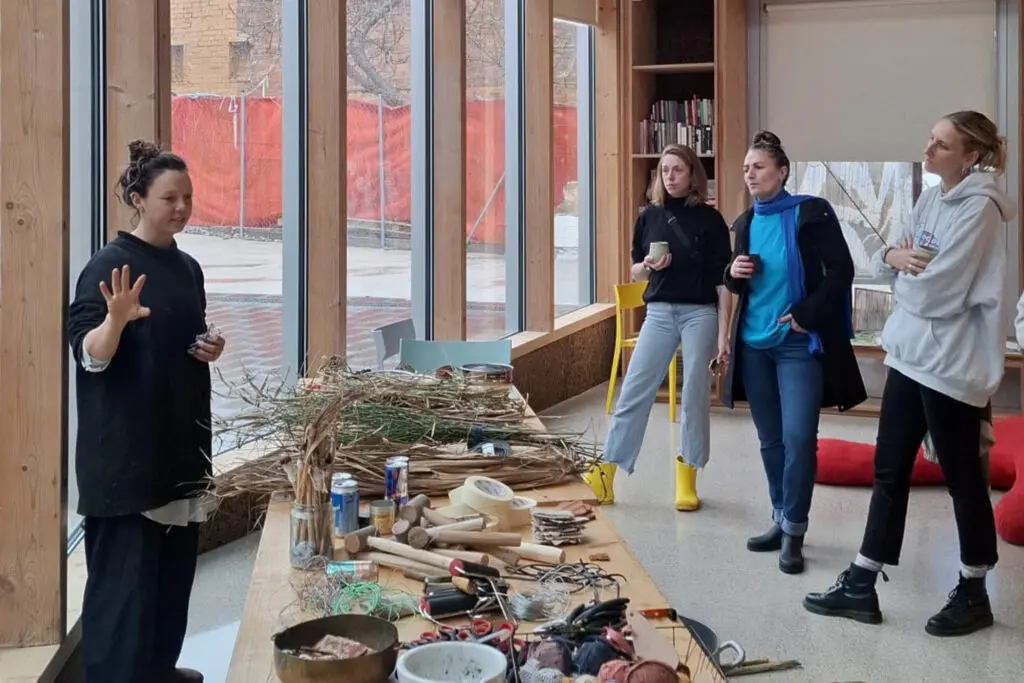
The international community of artists and partners convened in advance of each residency for five focused three-day workshops, which combined talks and workshops with site visits to local initiatives in our partner cities, each with a different thematic focus.
In Athens, MATCH measured the environmental impact of culture, while in Nicosia, we explored legal frameworks governing climate action. In Marseille, we explored citizen engagement, while in Barcelona the workshops focused on climate migration in the Mediterranean. Finally, in Izmir, regional adaptation and agriculture were considered through a study.
As well as providing learning opportunities to inform the artists’ work, these events helped build relationships between key local experts and stakeholders, supporting the artists’ engagement during the residencies. They also provided space for peer connection, building strong relationships between the artists and partners.
Reflections
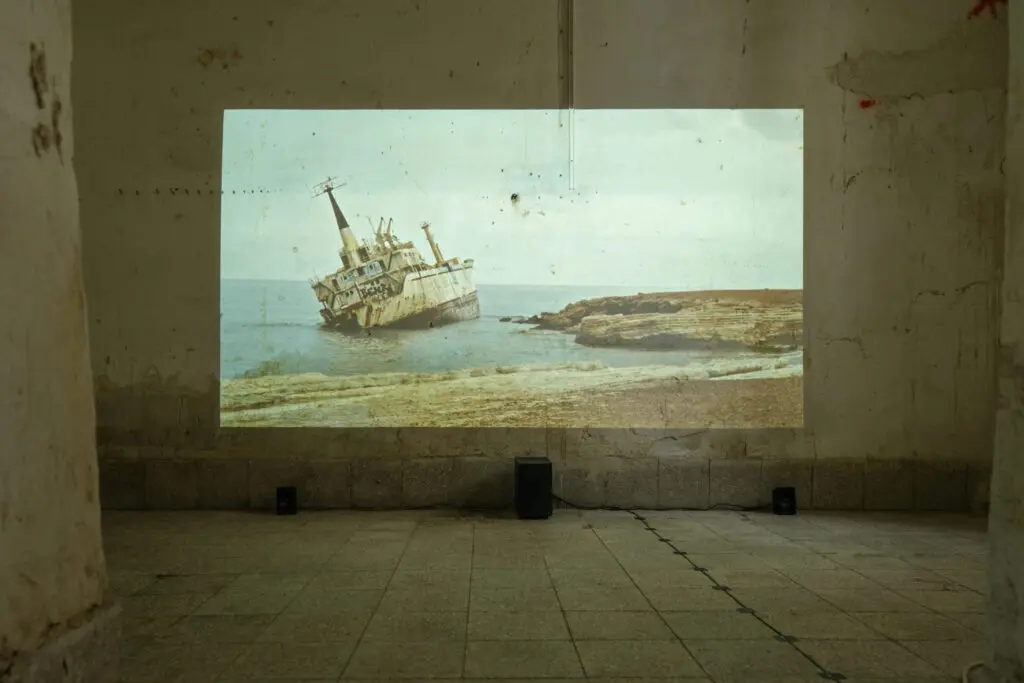
As a transnational project, MATCH offered meaningful opportunities to artists, cultural organisations and community gardens to all learn from each other and build lasting relationships.
By working slowly and embedding dialogue and exchange within each residency location, artists’ work has been able to respond to the specific needs of each context. In some cases, the artworks have become integrated into the life of the community gardens hosting the artists. One example is Caterina Miralles and Christina Zampoulaki’s rainwater catcher and ceramic water filter, created during their collaborative residency at Gardens of the Future, produced by D6:EU.
This functional artwork built on the artists’ creative mapping of natural resource flows and the relationships between the garden’s more-than-human residents, and was co-produced with the Gardens of the Future’s gardener and a local resident. Meanwhile, in Barcelona, Hannah Taylor’s living sculptural artwork grows plants that remove toxic residue left in the soils of the city that prevent urban food production.
In other cases, the artists’ works have raised important conversations around the impact of climate change in response to local needs. Garance Maurer’s installation work and artist-led walks around the Duncan Dance Research Centre in Athens engaged with fire ecologies, exploring the now-rare traditional ecological practice of intentional, small-scale burning to prevent megafires. In Marseille, Lizzie Reid’s residency at La Friche engaged local residents in discussion on the role cultural institutions can play as civic spaces in the context of extreme heat.
The interdisciplinary nature of the programme, together with opportunities for knowledge exchange between artists, citizens, environmental experts and municipal stakeholders, has fostered ownership and understanding of local climate issues.
Working across this diversity of perspectives and institutional scales has also highlighted that lasting impact often emerges gradually, and that culture can play a meaningful role in shifting narratives and creating platforms for more equitable dialogue among diverse voices.
Looking to the future
As with all of D6:EU’s work, MATCH considers how our practice can inform advocacy to strengthen the funding and policy environment that supports our practice. To help the project and other cultural organisations capture and communicate impact more effectively, MATCH is developing a new Climate Change Response Impact Assessment tool.
The tool will use a framework that takes a holistic approach to assessing the positive impacts that cultural programmes can make towards the environment, considering:
- practices and infrastructure
- organisational culture and governance
- social engagement and participation
- knowledge and advocacy.
The body of knowledge developed through the MATCH programme over the past two-and-a-half years will be shared as part of a final conference in Turin, with a series of policy recommendations distilled from the discussions.
At D6:EU, we develop our programme iteratively and responsively through our journeys with artists and partners. While the MATCH project will conclude next year, for us the legacy of the programme is in the new learning, connections and creative research that have and will continue to shape our work ahead.
Spread the word