
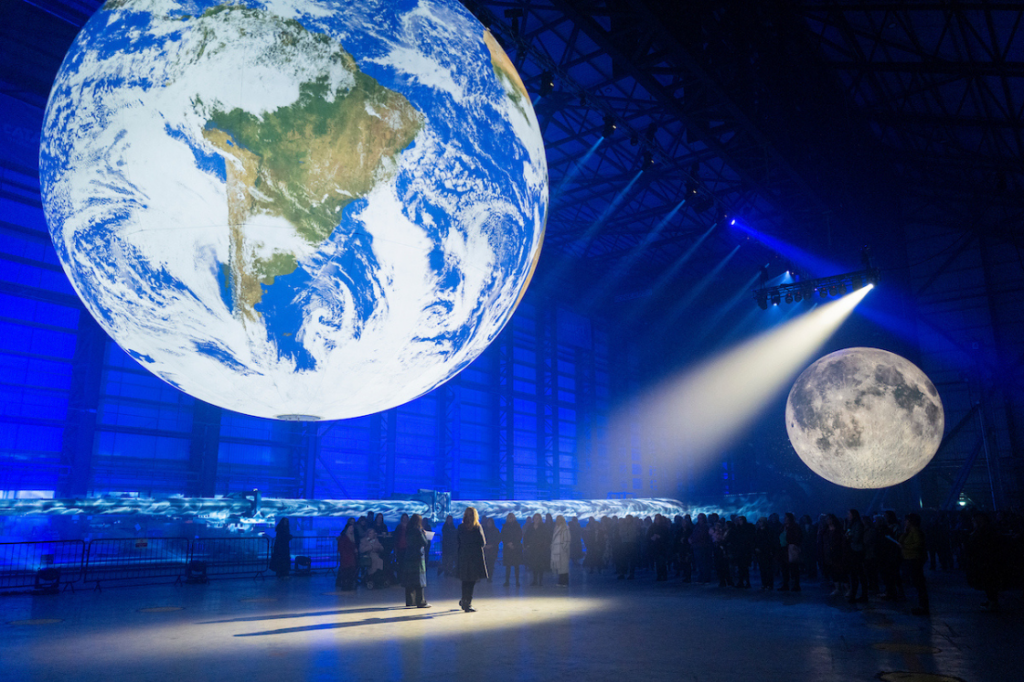

Driving Climate Action Through Data
Walk the Plank is an outdoor arts charity based in Salford, operating from a hub of offices, workshops, storage facilities, and making spaces. Avoiding traditional venues, they meet audiences directly on their doorsteps – on high streets, parks, waterways, and gardens across the UK and internationally.
The “here today, gone tomorrow” model of temporary installations and finite production relies inherently on creative logistics, imaginative scheduling, and resourceful planning. Recognising that these operations carry a heavy environmental cost, Walk the Plank understood that ambitious climate action required precise data.
Aligning Numbers with Action
In 2024, the organisation re-galvanised its mission, setting a decisive goal to become carbon neutral and achieve a 20% overall reduction in CO2e by the close of 2026. To turn this vision into a reality, they anchored their strategy in robust data collection. Utilising Julie’s Bicycle methodology, they established benchmarks for emissions across every facet of the business, from travel and waste to gas, electricity, and water.
A dedicated task group adopted a data-led approach to creatively minimise Scope 1, 2, and 3 emissions. Leaving no stone unturned, they collated data and listened to stakeholders to create a measurable, department-specific Sustainability Action Plan. Through 2024 and 2025, this plan highlighted strategic priorities and quick wins, using simple, low-risk, and low-cost initiatives to build crucial confidence among staff, freelancers, and the board.
Turning Metrics into Impact
Data proved to be the ultimate catalyst for operational and cultural change. By assessing waste data collected over a year, the team discovered a critical insight: their workshop skip contributed 19% of their overall CO2e in 2024.
- Presenting this revelation as a simple graph during internal updates and freelance briefings triggered an immediate cultural shift.
- Staff began questioning why items were in the skip, actively removing materials to be repurposed, and researching how to recycle niche items.
- Moving away from standard local authority waste separation, Walk the Plank partnered with EMERGE, a local waste and recycling charity, to tailor distinct streams for electrical items, unusable wood, specific metals, and paper.
- Rather than relying on broad estimations, they now correlate specific material weights to collection dates. By tying precise waste data directly back to project activity, they can accurately forecast future impacts.
This data-mapping extended to the organisation’s most complex emission sources. Following a major spectacle event for the Bodø European Capital of Culture in 2024, emissions data confirmed that flights accounted for a massive share of their footprint. Armed with clear evidence of their true impact, the team analysed the data to strike the right balance between business decisions and their sustainability mission. This led to conversations around slow travel and the integration of technology to minimise physical travel requirements, such as using mapping software, locally captured drone footage of sites, and 3D modelling of key production elements.
This is a good result, but we aren’t complacent – we recognise that each future decrease will be harder fought.”
Similarly, the use of bottled LPG in special effects and fire sculptures was a known, persistent challenge. To minimise LPG emissions, Walk the Plank first needed an exact handle on consumption. They abandoned wholesale weight estimations and began physically weighing each individual bottle by use after every single show. This generated a highly specific consumption map tailored to each sculpture and event type, which enabled targeted maintenance, cleaning, and the retrofitting of parts.
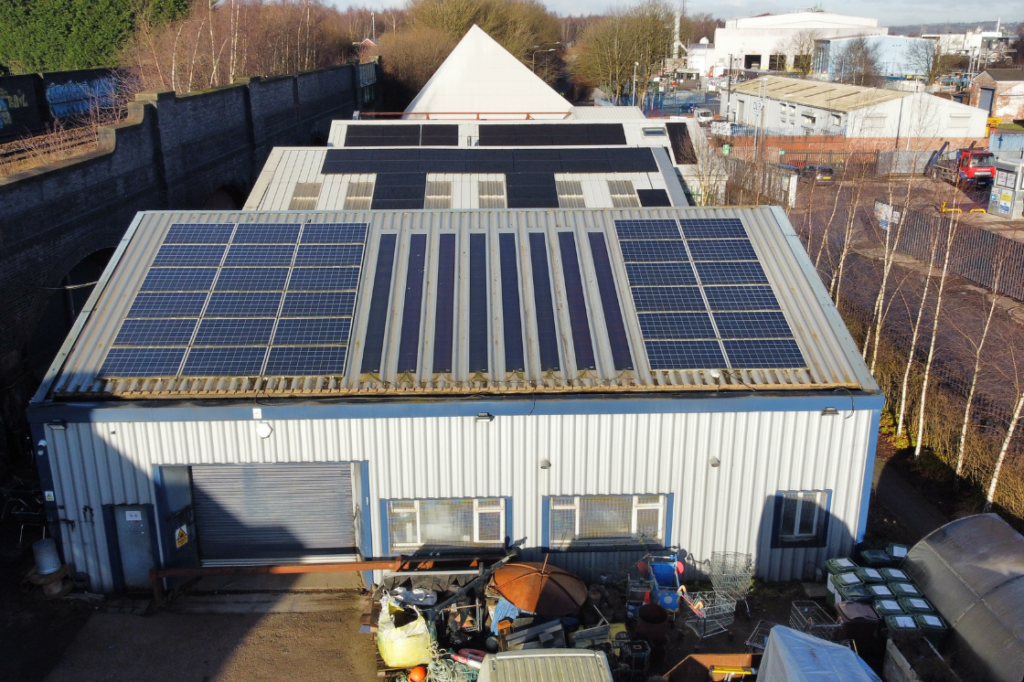
Impact Beyond Data
While data drives these critical emission reductions, the real-world impacts of the climate crisis demand urgent, physical adaptation. Working predominantly outdoors year-round, Walk the Plank sees changing weather patterns first-hand. A decade ago, the team could rely on accurate 7-day forecasts for wind and rain. Today, forecasting confidence may only extend three days ahead. In response, they have increased adaptability in their production delivery, making work schedules more flexible to avoid outdoor activity during the hottest parts of the day and expanding planning protocols to cover extreme heat and UV exposure alongside winter storms.
Our carbon reduction journey matters more than ever as we see the real-world impact from our activities. The intensification of change and the realisation of the real cost of the climate crisis will always push us to innovate, adapt our thinking and do better.
Walk the Plank’s relentless, data-led focus has yielded exceptional results, with 2025–2026 metrics showing a 37% decrease in CO2e — smashing their original 20% target. Acknowledging that future reductions will be harder, their journey proves that interrogating the numbers of environmental impact is a powerful tool for shaping a just and regenerative future.
Spread the word