
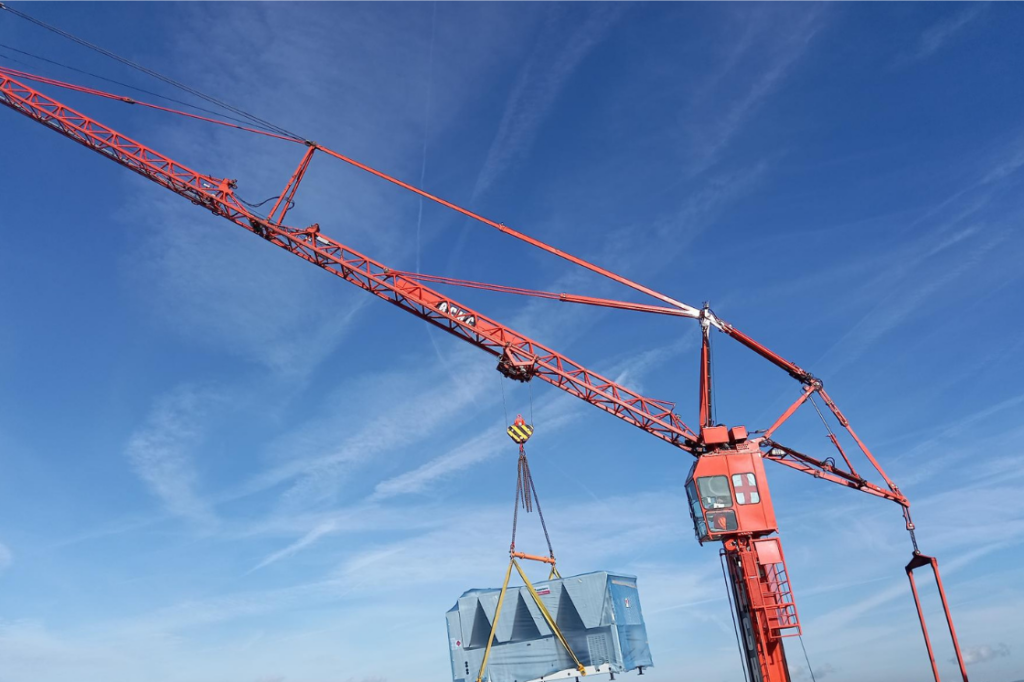

Building resilience for an architectural landmark
The New Art Gallery Walsall is a leading visual arts venue in the West Midlands. Located in the town centre, the five‑storey, 5,000 m² building hosts contemporary exhibitions, permanent collections, an Artist Studio, Art Library, learning and community programmes, a café, conference facilities and shop.
The New Art Gallery Walsall was originally designed by celebrated architects Caruso St John and opened in 2000. It was nominated for the RIBA Stirling Prize the same year.
However, after 26 years, many of the gallery’s bespoke building systems were ageing and running inefficiently.
Since 2012, the gallery has tracked their carbon emissions and steadily invested to operate more sustainably. The pandemic sharpened their resolve to make systemic change and to tackle the parts of their operations that cause the most environmental harm. A 2023 feasibility study by AtkinsRéalis and Hydrock identified energy use as the single biggest driver of emissions, accounting for around 80% of the organisation’s carbon footprint.
Using 2019/20 as a baseline, the gallery set a clear target: reduce energy consumption and carbon emissions by 25% by the end of 2025.
Targeted upgrades
Planned across 2024 and delivered through 2025, their capital improvement programme focused on the building systems that matter most.
- Heating and cooling: Two gas boilers were replaced with an air source heat pump and new variable speed drives were fitted to heating and cooling systems.
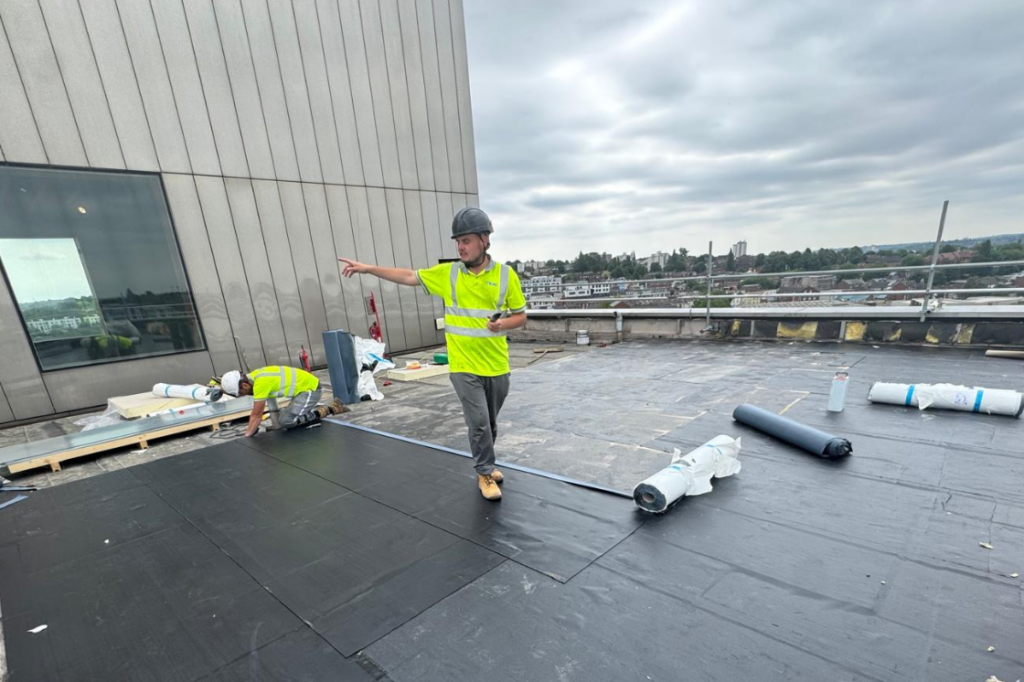
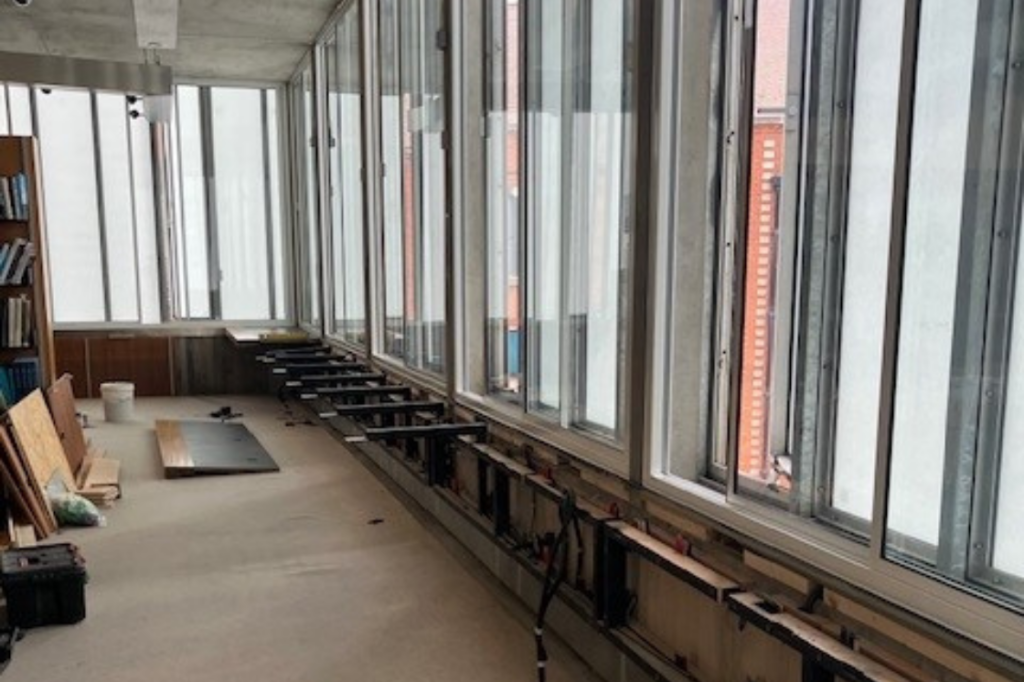
- Fabric improvements: Upper roof insulation was replaced and secondary glazing installed in the Art Library to reduce heat loss.
- Renewables: A solar PV array was installed on the Art Library roof to supply low‑carbon power.
- Operational upgrades: Continued rollouts of LED lighting, improved Building Management Software and other systems upgrades reduced energy waste.
These works were delivered with engineering project managers AtkinsRéalis and contractors Seddon.
This ongoing commitment has impacted on cultural change within the organisation, as the continued focus and gradual investment over time has produced real measurable differences to how we operate.
Exceeding their targets
The New Art Gallery began seeing benefits in 2025, even before final completion in November 2025. The building now has a refreshed heating system, improved insulation and a new renewable energy source, making the Art Library noticeably more comfortable year round. When measuring performance in Spring 2026, the gallery recorded a 35% reduction in energy consumption against their 2019/20 baseline, exceeding their 25% target. Since they first began recording emissions in 2012, the site now operates with a 57% reduction in carbon emissions.
Simple changes, big impact.
Operational changes across the organisation have also delivered results. Recycling provision has increased 200% since 2021 and waste to landfill has fallen 50% since 2024.
The organisation has replaced vinyl signage with fully recyclable boards, adopted recycled packaging alternatives for artworks and re‑manufactured paint for refurbishments. Schools and family workshops prioritise sustainably sourced materials and their engagement work includes carbon literacy and teacher CPD.
Environmental Programming
This investment has shifted how The New Art Gallery programmes and operates. Environmentally themed exhibitions and residencies now sit at the heart of their offer, connecting artists, communities and local initiatives to practical climate action. Examples include the group exhibition Earthbound, Boyana Aleksova’s rewilding work and General Public’s community growing projects.
We celebrate progress while recognising more remains to be done. Two collection gallery floors still require LED conversion. Hot water remains on a gas heater, the last fossil fuel source on site. We will continue to optimise climate control systems and prioritise future investment to eliminate remaining emissions.
How it was funded
The project was enabled by a £600k grant from Salix and the Department for Energy Security and Net Zero, with additional support from Walsall Council and their own existingGallery budgets. This blended funding model demonstrates how cultural organisations can unlock public investment to deliver climate action at scale.
We will keep embedding environmental responsibility across our programme, governance and site management while working with partners and communities to scale impact.
Spread the word