
Weaving the Environment into Creative Programming
Creativity has always shaped the world, and today, local civic institutions are leading the way in turning environmental awareness into a cultural imperative. Libraries are no longer only quiet spaces for borrowing books; they are dynamic, trusted hubs sitting squarely at the intersection of environment, culture, and community wellbeing.
In Suffolk, where nearly half the population lives within a single mile of one of 45 libraries and hundreds of thousands attend events annually, Suffolk Community Libraries – a National Portfolio Organisation funded by Arts Council England, is unleashing this immense potential through its programming.
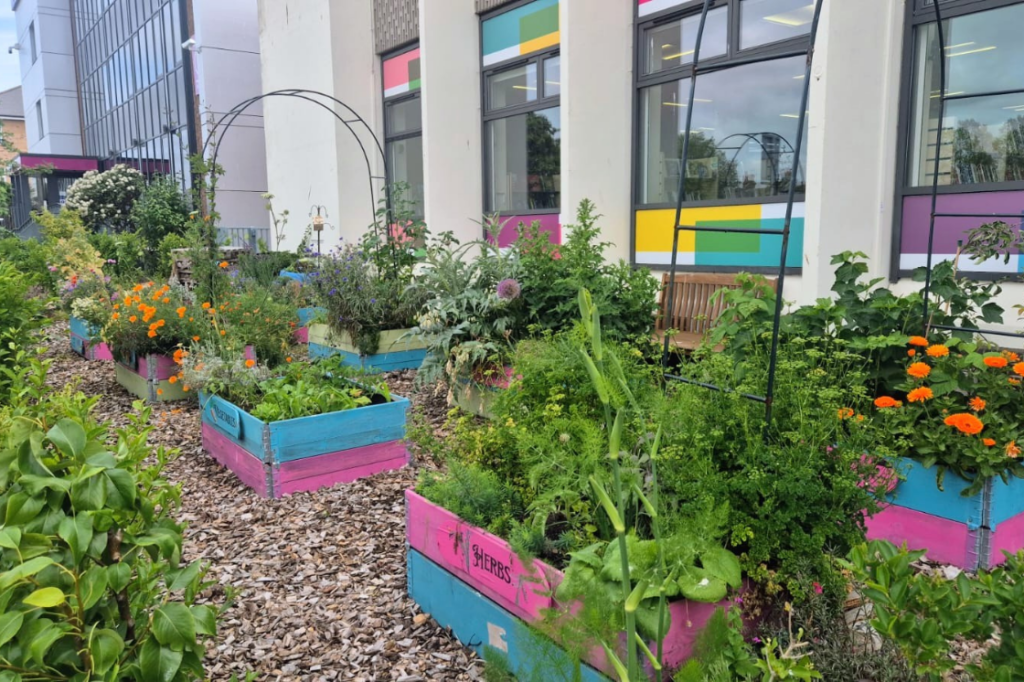
Rooted in the foundational library ethos of sharing, reusing, and collective care, environmental responsibility serves as the golden thread running through every aspect of their operations and artistic delivery. From operational choices like car-sharing and using recyclable packing tape to bold artistic commissions, environmentalists-in-residence, and transforming scrubby patches of grass into blooming community gardens, Suffolk Community Libraries is proving that cultural programming can cultivate deep environmental stewardship.
Engaging Communities Through Nature-Connected Arts
Climate action is a shared responsibility, and engaging audiences requires creative programming that inspires, delights, and empowers people of all ages. Every autumn, Suffolk Community Libraries collaborates with the Suffolk Wildlife Trust to deliver Wild Reads, an annual nature-connectedness programme and reading campaign. The initiative combines a curated list of nature writing with immersive outdoor experiences and creative arts events designed to deepen the public’s relationship with local landscapes.
Artistic interventions are central to this work. By placing artists at the heart of community spaces, abstract ecological concepts are made tangible and accessible. Wild Reads programming has featured a wide array of imaginative, participatory artworks and performances, including:
- Hands-on workshops where families craft insect baths to support local biodiversity.
- Interactive garden playscapes constructed entirely from recycled fabrics.
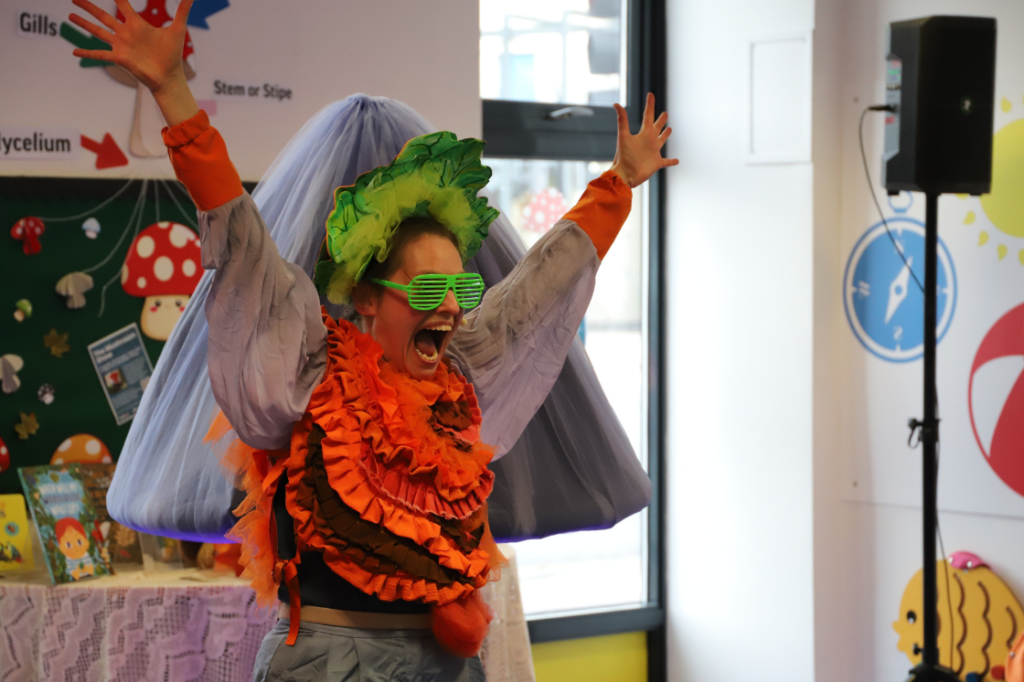
- Bold theatrical performances, such as Scratchwork Theatre’s The Mushroom Show performed across multiple libraries in Suffolk, bringing fungal networks and ecological science to life through storytelling.
Through these cross-sector collaborations, libraries signpost visitors directly to local nature reserves while encouraging community members to view their local library as a gateway to ecological discovery.
Nurturing New Ecological Voices: The Wild Pages Residency
To build a just and regenerative future, cultural programming must platform diverse artistic voices and support early-career creatives. In 2025, Suffolk Community Libraries launched the Wild Pages Writers’ Residency at Felixstowe Library, delivered in partnership with the Suffolk Wildlife Trust and the National Centre for Writing.
This week-long intensive residency supported emerging writers exploring nature and environmental concerns. Participating writers engaged in talks with wildlife experts, visited local landscapes, received mentorship from established authors, and dedicated time to self-led creative production. Crucially, the residency opened up nature writing to practitioners from diverse backgrounds, dismantling historical barriers around who gets to speak for the countryside. As one participating writer reflected, the programme granted them permission to engage deeply with nature writing regardless of heritage, while providing vital insights into Suffolk’s specific environmental challenges.
Green Creative Health: The Pollinate and Create Initiative
Recognising that human health and planetary health are inextricably linked, Suffolk Community Libraries established the Pollinate and Create Associate Artists programme. Working alongside partners including the Culture, Health & Wellbeing Alliance, Suffolk Artlink, Green Light Trust, Natural Habitat, and Suffolk Wildlife Trust, this initiative trains artists to become green creative health practitioners.
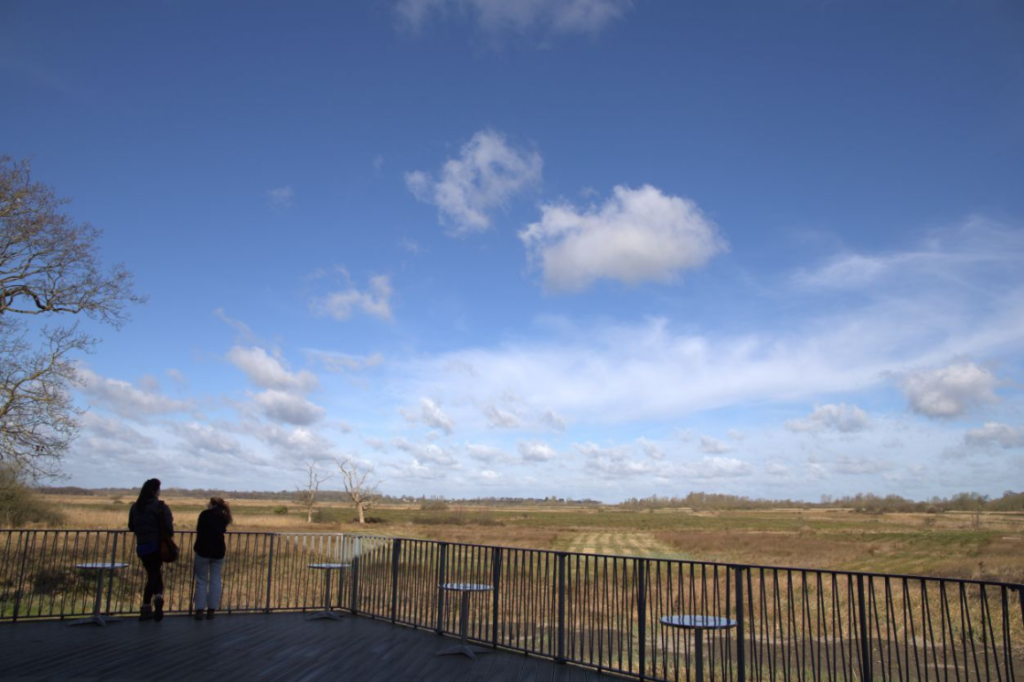
Artists participate in a five-day intensive residency, held at ecological sites like Carlton Marshes; to explore how creative interventions can harness the healing power of nature. Following the residency, each artist receives a £1,000 commission to test new, community-rooted creative ideas directly within library spaces. This programming directly complements the Region of Creative Health project and Suffolk Community Libraries’ own Social Prescribing Hub initiative, embedding green artistic practice into health and social care services.
Spread the word