

Building a Resource‑Sharing Network
Mortal Fools is an award‑winning charity delivering creative youth programmes that build power, agency and wellbeing for children and young people, aged 5 to 19 in Ashington, Northumberland.
Creating new productions and community events means frequent demand for sets, props and costumes. Rather than defaulting to new purchases, Mortal Fools has embedded sustainable procurement and resource‑sharing into its creative process, cutting costs, reducing waste and modelling a circular approach for participants.
A practical shift in procurement
Mortal Fools changed the first question in every production brief from “what do we need to buy?” to “what can we reuse, repurpose or borrow?” This simple habit has reshaped budgeting and design. Costume and set briefs now prioritise second‑hand, donated or reclaimed materials; local charity shops, hire houses and small suppliers are first ports of call; leftover paint and offcuts are retained for future projects. These choices reduce procurement emissions and free up funds for artist fees and community activity.
Sets and props are designed to be modular and durable so they can be repurposed across shows and events. Where new materials are unavoidable, the team selects recycled or remanufactured options and specifies recyclable signage and packaging. This approach reduces single‑use waste and extends the life of creative assets.
Collaboration as procurement
Mortal Fools has built a network of like‑minded companies, including Live Theatre, Ensemble 84, Unfolding Theatre and The Six Twenty, to share technical kit such as lighting rigs and silent disco headphones. Sharing spreads cost, reduces duplication and increases access to higher‑quality equipment than any single organisation could afford.
Working with Repurposeful CIC and Creative Remakery embeds circular practice into community projects. For Hirst Festival 2026, Mortal Fools will co‑create set elements with intergenerational groups, using repurposed materials sourced from local businesses. This collaboration turns procurement into a community activity that builds skills and local supply chains.
Young people at the centre
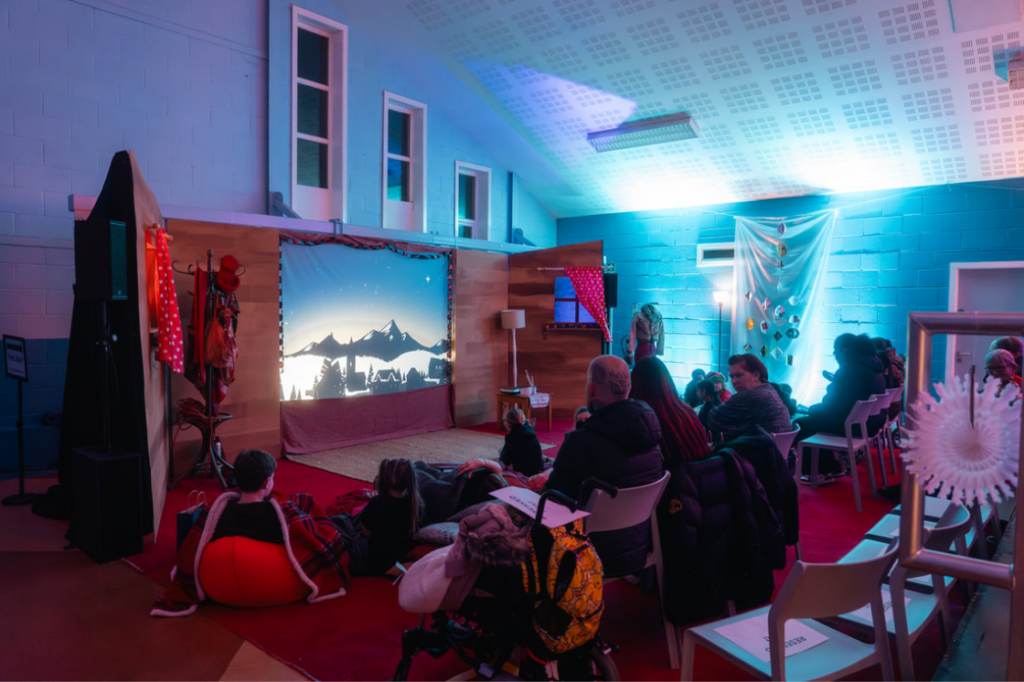
Young cast members are invited into costume and set decisions, encouraged to source and adapt materials themselves. This hands-on practice teaches resourcefulness and creative problem solving while normalising sustainable choices. Workshops and residencies link eco‑education with practical making so sustainability becomes part of artistic learning.
Mortal Fools actively engages local businesses for scrap and surplus materials. This strengthens local circular economies and creates visible routes for reuse that participants can replicate at home.
A creative advantage
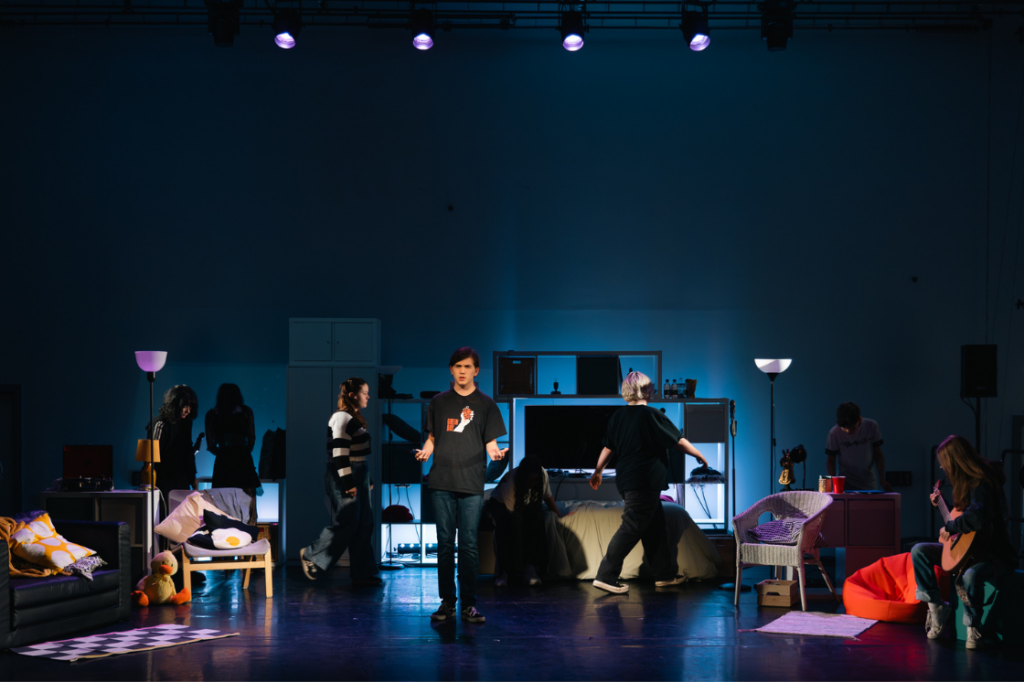
Over the past 12 months Mortal Fools has formalised a resource‑sharing network across the North East, increasing access to technical kit and reducing procurement spend. Reused materials featured prominently in recent productions Brainstorm and WIRED, where local set and costume designers delivered high‑quality outcomes while maximising recycled content.
Sustainable procurement has become a creative advantage rather than a constraint. Audiences and participants respond positively to inventive, locally sourced design. The practice also reduces waste and supports community wellbeing through skills transfer and intergenerational collaboration.
Practical advice and next steps
Start small, embed habits. As Aileen Kelly, Set & Costume Designer, says:
Being more sustainable doesn’t have to mean completely changing the way you work. Start small: ask what you already have, use charity shops, reuse set pieces and keep materials from previous projects.
Mortal Fools will continue to grow its sharing network, formalise equipment‑sharing agreements and deepen partnerships with social enterprises to secure regular streams of reclaimed materials. Future priorities include documenting procurement guidelines, creating a shared inventory platform and offering peer workshops to help other companies replicate the model.
The organisation demonstrates that sustainable procurement and collaboration are creative strategies as much as environmental ones. By designing for reuse, sharing resources and empowering young people and communities, the company turns limited budgets into opportunities for artistic innovation and climate‑positive practice.
Spread the word