

The power of rural touring
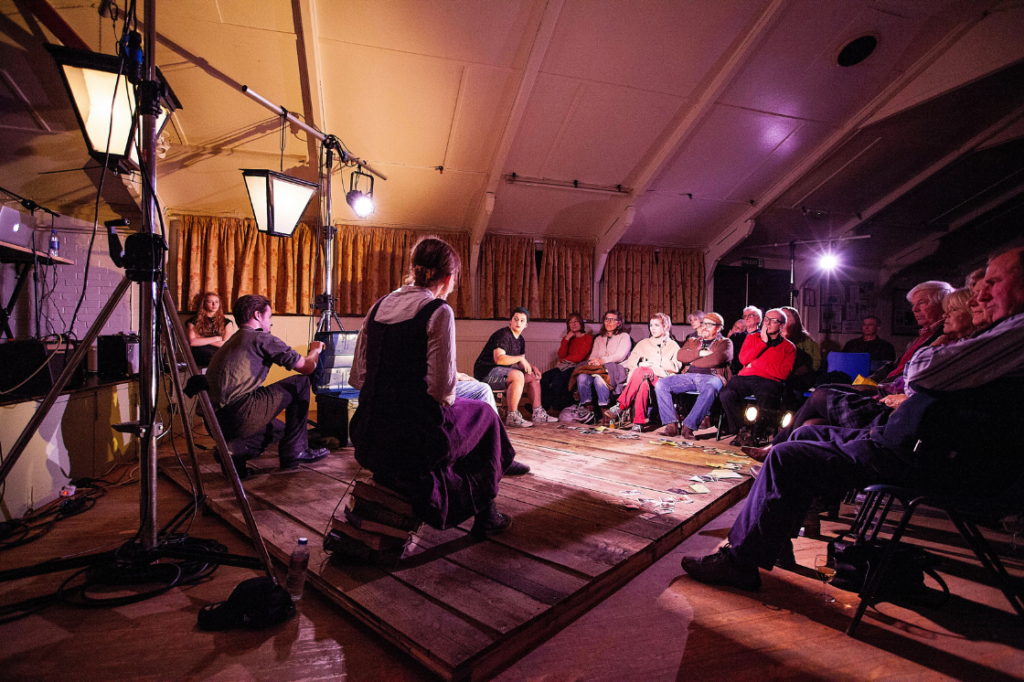
Creative Arts East is an arts and community development charity operating across Norfolk, Suffolk, and the wider Eastern region. Understanding that climate action and cultural accessibility go hand-in-hand, they bring high-quality live performances, film screenings, and creative health projects to rural and underserved communities – breaking down barriers to the arts. Crucially, they recognise that rural touring possesses an inherent, environmentally responsible logic.
Bringing an artist or film to a village hall or local library drastically reduces the carbon footprint of multiple individual journeys to larger urban venues, strengthening community engagement in places where people already gather.
This work matters because it connects environmental responsibility with cultural and community experiences.
— Creative Arts East
For Creative Arts East, capacity building does not depend on large budgets or specialist, complex infrastructure. Instead, it is about weaving environmental stewardship seamlessly into existing touchpoints and empowering an extensive network of volunteer promoters, community spaces, and artistic partners. They strive to make good sustainability practice visible and achievable, proving that systemic change often stems from accessible interventions.
Equipping Promoters and Artists
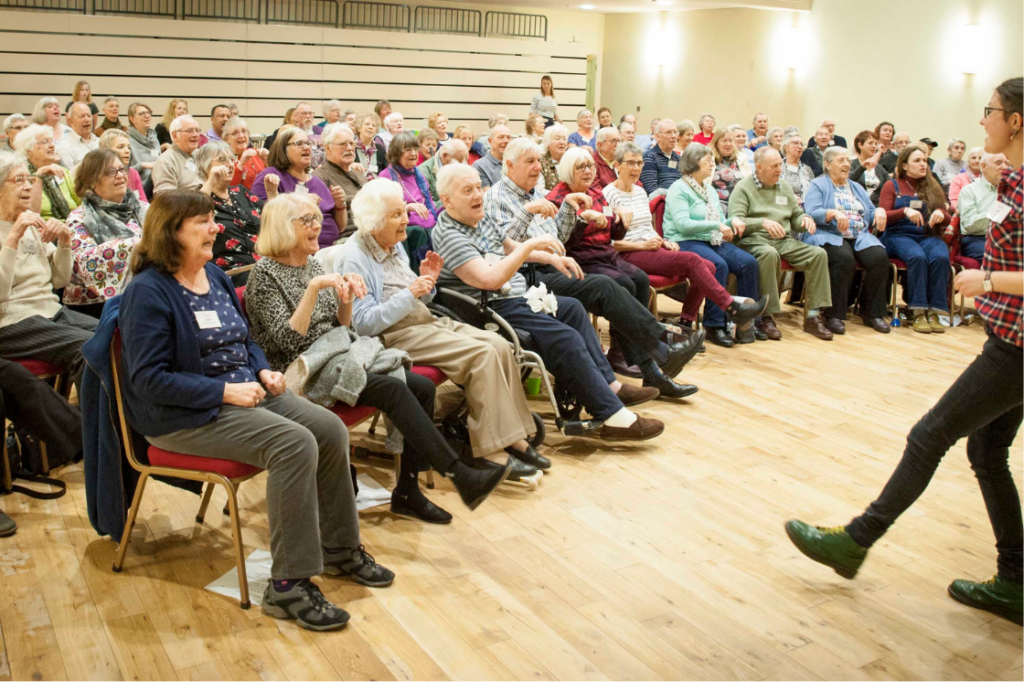
Creative Arts East developed practical, high-impact resources to activate their network of promoters and artists. Their Keeping it Green: Tips for Promoters guidance empowers rural venues with small, actionable ways to contribute. By sharing their Sustainability Action Plan, Environmental Policy, and promoter help-sheets openly on their website, they provide community venues with immediate access to transformative ideas and tools.
Creative Arts East has also embedded climate action directly into their commissioning process. Artist contracts now feature explicit wording outlining the organisation’s commitment to environmental responsibility, encouraging sustainable choices in the experiences brought to local communities. These contracts signpost artists to Creative Arts East’s Action Plan and ask them to actively consider the impact of their touring — suggesting actions like developing a Green Rider, adopting the Theatre Green Book, or sharing the green steps they are already taking. These small, reflective questions and prompts normalise environmental thinking across all professional relationships without creating complex new processes.
Curating Spaces for Ecological Conversation
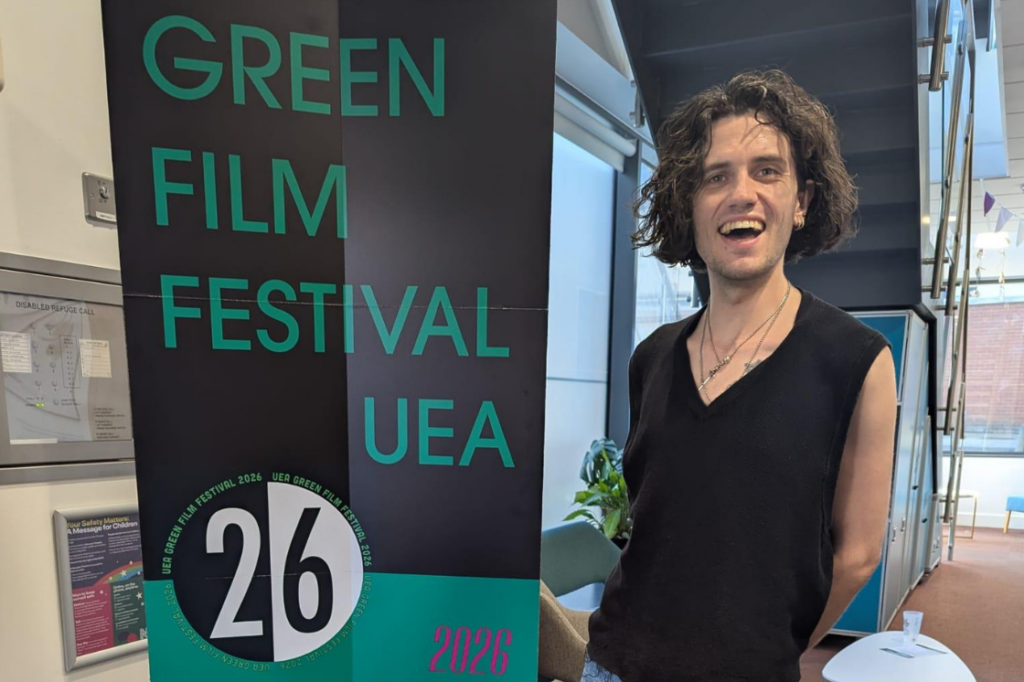
Capacity building also means championing the natural world through public programming. In 2025, Creative Arts East collaborated with the UEA Green Film Festival to tour the documentary North Sea – Nature Untamed to four local venues, pairing screenings with Q&A sessions led by a University of East Anglia Film and Media Associate Professor. Building on this success, 2026 saw the tour of Every Little Thing to community cinemas. This partnership is deeply embedded, extending to the governance level with a key figure from the festival joining Creative Arts East’s Board. In June 2026, Creative Arts East launched a curated “Green Collection” section in their brochure, gathering live performances and screen titles that celebrate sustainability, amplified by a dedicated “Green June” digital feature.
How Impact is measured
Meaningful progress has come from looking beyond internal operations, like office waste, to the wider ecology of their work. Internally, environmental responsibility is firmly embedded in Creative Arts East’s systems, team conversations, and formal reporting. The team is deeply engaged, driven by the satisfaction of doing their part. The organisation uses Julie’s Bicycle Creative Climate Tools to track their progress, ensuring their internal operations align with their visionary outward impact, while continually reviewing progress through internal planning.
This approach offers a powerful blueprint for the wider cultural sector. By starting where they already hold influence, keeping resources accessible, and inviting partners into shared action, Creative Arts East demonstrates how environmental responsibility can become a core component of how creative experiences are planned, shared, and valued. Volunteer promoters gain practical tools, audiences enjoy professional arts close to home, and artists are empowered to make sustainable touring choices. Celebrating existing good practice is just as vital as asking for change.
NEXT STEPS
Creative Arts East plans to expand the Green Collection, deepen their partnership with UEA, and gather richer audience feedback to ensure that creativity remains a powerful engine for a just and regenerative future.
Our advice to anyone eager to encourage others in their own best practice would be to start where the organisation already has influence, keep resources practical and accessible and invite partners into shared action.
Celebrating existing good practice is just as important as asking for change.
— Creative Arts East
Spread the word