


Written by Graciela Melitsko Thornton, Creative Green Consultancy Programme Lead
page turning climate action
I was delighted to facilitate the lively conversation during our webinar, Page to Planet, in April. We brought together thoughtful voices from across the book ecosystem to explore how the sector is responding, what initiatives already exist, and where meaningful change can happen next. Some of my key takeaways below:
Piers Torday: The Literary Environmental Footprint: Can Publishing Rewrite Its Own Story?
For an industry built on the transmission of knowledge and the imagination of the future, the global publishing sector faces a stark structural irony: its physical product is fundamentally linked to an industry—pulp and paper (including cardboard and other paper products)—that is a major emitter of greenhouse gases.
The environmental toll begins long before a book reaches a shelf. With approximately one tree felled for every 25 books printed, the industry’s reliance on paper creates a substantial carbon footprint. However, the crisis extends beyond deforestation. Overprinting—the practice of producing surplus stock that often sits in warehouses—remains a systemic failure. When these unsold titles are returned, they are frequently sent to be “pulped,” a high-energy destruction process that contributes significantly to the sector’s total greenhouse gas emissions.
I cannot publish more books about climate change that are actually contributing towards climate change.
Piers Torday noted during the event, emphasising the moral weight authors and publishers must now carry. So he decided to get involved.
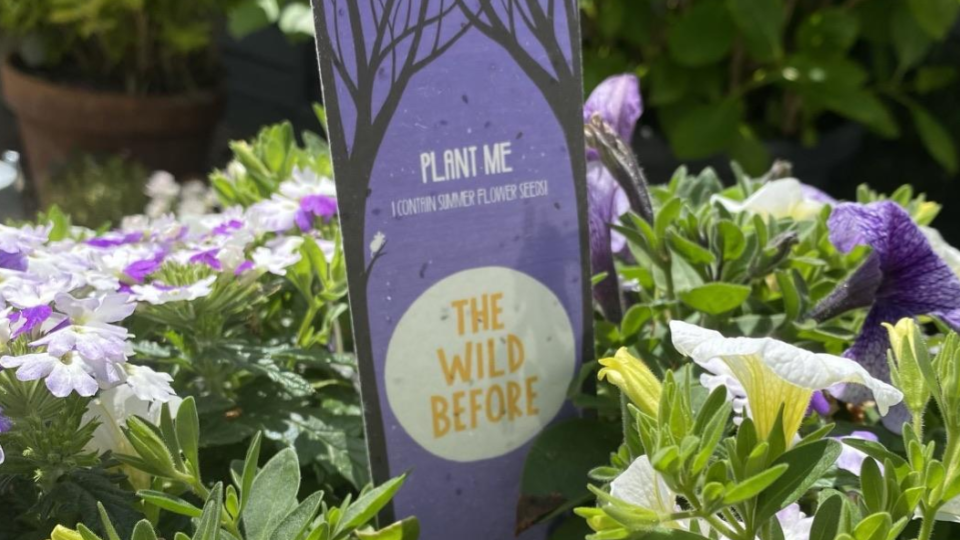
In the first place, he challenged his publisher to produce The Wild Before as a pilot for a fully sustainable book. This project demonstrated that it is possible to use vegetable-based inks (avoiding animal products), recycled paper, and seed bookmarks, while eliminating plastic varnishes and finishes that are difficult to recycle. After that, he was instrumental in creating various initiatives that encourage authors to be part of the solution in the publishing sphere. In this respect, he serves as the first chair of the UK Society of Authors’ sustainability network steering committee and sits on the Independent Publishers Guild sustainability panel. Additionally, he acts as a judge for the Sustainable Story Award.
Toward a Circular Narrative
Despite the bleak trajectory, a shift is underway. Experts point to several key interventions designed to transform the book into a truly sustainable cultural artefact:
- Design Efficiency: Small but impactful changes, such as utilising more compact typefaces and lighter-weight paper, are already saving thousands of trees.
- Print-on-Demand (POD): Moving away from bulk overprinting toward POD models offers a viable path to reducing warehousing waste and unnecessary transport emissions.
- The Library as Carbon Sink: Libraries, schools, and book-sharing networks are increasingly viewed as essential infrastructure. By extending the lifespan of a book through circulation and inheritance, these institutions transform physical products into long-term “carbon sinks,” effectively offsetting the cost of their production.
- Systemic Accountability: Initiatives like the “Publishing Declares” pledge in the UK and the development of standardised carbon calculators are helping industry stakeholders quantify their impact, moving beyond vague sustainability goals to data-driven decision-making.
Ultimately, the speakers argued that sustainability in publishing requires a “whole-sector” conversation. This includes lobbying for better recycling standards—as current laws often complicate the disposal of hardback and paper-backed books—and demanding greater transparency regarding supply chains, paper sources, and the carbon cost of printing. Printing locally is definitely what will make things start to look different.
As the industry looks toward 2030, the vision is clear: transitioning to a circular economy in which books are produced, consumed, and eventually returned to the cycle, reducing the ecological footprint of each book.
Green Libraries: landscape and actions by Maja Maricevic (Director of Science and Innovation, British Library)
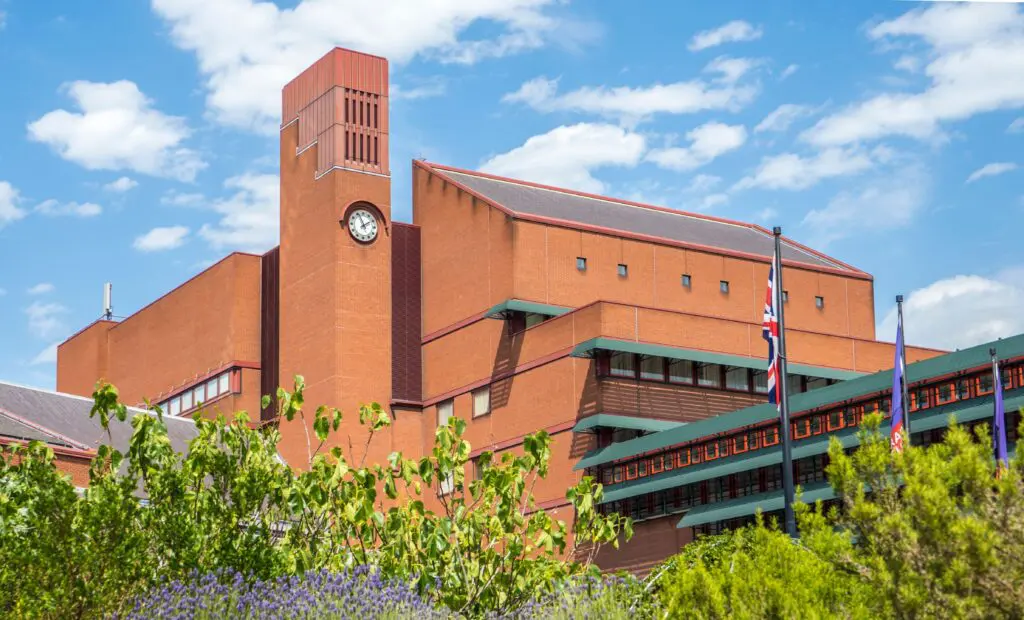
This is good news. The library sector is undergoing a profound transformation, repositioning itself from traditional repositories to critical hubs for environmental advocacy and climate resilience.
This shift follows the realisation — sparked by the post-COP26 climate summit in Glasgow — that the sector lacked a unified strategy, prompting the 2022 launch of the Green Libraries Campaign in the UK. By establishing a shared manifesto, the campaign has successfully mobilised diverse institutions, ranging from national and academic libraries to specialised health services facilities, to place sustainability at the centre of their operations. Working with CILIP and the British Library, the partnership secured £1.2 million in National Lottery Community Fund funding to establish 10 Green Library Hubs as catalysts for community climate action across the UK over three years, 2025-2028. JB is leading on the training strand of the programme and is a member of the project board.
However, this progress faces significant headwinds, as libraries must contend with an uncertain funding landscape, evolving policy requirements, and the mounting carbon footprint of digital operations and artificial intelligence. Despite these barriers, the sector is leveraging its status as universal, pre-existing infrastructure to implement environmental solutions without requiring high-carbon new construction. They also serve as shelters and social infrastructure during extreme climate events.
Maja also highlighted how International models illustrate the potential for localised adaptation, proving that libraries can serve as vital community assets rather than just physical spaces. One interesting example is the libraries in rural areas of Turkey that are linked to agricultural practices. From the passive, energy-efficient building designs in Burkina Faso to Canada’s integration of cooling centres into library services and Croatia’s biodiversity-focused library aquariums, these global projects demonstrate how institutions are tackling unique regional threats. As the sector looks ahead, the primary challenge remains sustaining these collaborations and advocating for the policies needed to ensure libraries remain permanent, essential assets in the global effort to combat climate change.
Place making and literature by Hannah Trevarthen
Nottingham is proving that literature can be a powerful engine for change through its “Growing Words” program, an initiative that leverages the city’s status as a UNESCO City of Literature to tackle the climate crisis head-on. By aligning its literary mission with the city’s goal to be the UK’s first climate-neutral municipality by 2028, the program is finding creative ways to build better futures.
At the centre of this movement is Cara Thompson, the Nottingham Nature Poet Laureate. Seven months into her role, Cara is already bridging art and policy, working with Nottinghamshire County Council to ensure that literature has a seat at the table in its local nature recovery strategies. Her approach is grounded in a wonderfully inclusive mantra: “To grow green fingers, we must find less time pointing them at each other.”
The program is deeply intentional about who it reaches. Recognising that 30 per cent of Nottingham’s population is under 30, it prioritises empowering young writers and creating employment opportunities for them, while also working to dismantle the structural, experiential, and cultural barriers that limit access to green spaces for the city’s diverse communities, where 35 per cent of residents identify as Global Majority.
Collaboration is at the heart of this effort. Rather than working in isolation, the program is weaving itself into the city’s fabric by partnering with organisations such as the Nottingham Wildlife Trust, the Green Hustle festival, and local schools, while drawing on research from the University of Derby to deepen understanding of nature connection. Ultimately, the “Growing Words” program is an exercise in civic imagination, using the power of words to inspire local and global action on our most pressing environmental challenges.
As Piers Torday concluded, the challenge of climate action in the creative world is fundamentally about:
Communication, collaboration, and fostering a sense of community determined for change.
We are very grateful to the World of Books for supporting some of our activities in the book sector and all the speakers for their participation.
Spread the word