Nearly two decades of creative climate action
JB was founded nearly 20 years ago, as a non-profit, rooted in the urgent need to tackle the climate crisis, and understand what the creative and cultural community can do to help – a question that continues to drive and define us.

The Unique
Power
Of culture
It began when a group of music industry friends joined forces to discuss the climate crisis. Arriving by bike at a restaurant called Julie’s, the name stuck and Julie’s Bicycle rides on, widening our work from the music industry to the wider arts and creative space.
At JB, we know culture – by which we mean arts, cultural heritage, and the creative industries – is a powerful force that can transform the global response to the climate and nature crises. Culture is a catalyst for change, with the unique ability to communicate the urgency for action, shape perceptions across all sectors of society, shift values, hearts and minds, and inspire hope and belonging.
Climate solutions are failing, and our beautiful planet is suffering. For far too long, climate action has focused primarily on technological, economic and political solutions which have not kept pace with science. The transformative potential of culture must no longer be overlooked as a crucial tool for the rapid, systemic and long-lasting cultural change we need.
Culture stewards change. It respects the rights and knowledge of communities, connecting us to what matters and to one another. JB is committed to ensuring that culture-based climate solutions are at the heart of our transition to a fair, regenerative future.

The Julie’s Bicycle
journey
2007-2009
The beginning
We started with a question: how can the music industry understand and reduce its environmental impact? Working with Oxford University’s Environmental Change Institute, we measured the carbon footprint of the UK music sector. This led to First Step, a pioneering report published in 2008 that helped spark a new conversation about sustainability in music. From there, Julie’s Bicycle took shape.
We developed the Creative Green Tools, carbon calculators designed specifically for the cultural sector, which enabled us to gather data and understand the challenges faced by the sector, beyond the music industry. As we widened our network, we undertook our first consultancy projects, including one with Faber and Faber, which laid the foundation for a practical, evidence-based approach that would become a hallmark of our work.
Outputs:
2010-2014
Embedding sustainability
These years marked a shift from innovation to integration. We launched the Creative Green certification scheme and began working with the Mayor of London on environmental guidance for the creative industries. Most significantly, we partnered with Arts Council England to make environmental reporting a condition of funding – the first time this had been done by a national cultural body anywhere in the world.
Our influence grew beyond the UK. We licensed the Creative Green Tools in Canada and Scotland, joined international consortia like the Green Art Lab Alliance GALA, and developed partnerships with BAFTA’s albert Consortium and the Chartered Institute of Building Services Engineers. We also produced new guidance on sustainable production and began benchmarking environmental performance across the sector.
Outputs:
- Creative Green certification scheme
- Moving Arts Volume one and Volume two
- Sustainable Production Guide
- Creative Climate Census
- International Federation of Arts Councils and Culture Agencies research
- Arts Council England Programme

2015-2019
Scaling influence
As the urgency of the climate crisis accelerated, so did our work. In 2015, we supported the Paris Agreement with A Letter to Leaders, endorsed by more than 350 creatives. Our Creative Green Tools were translated into seven languages, and we launched resources to support organisations investing in sustainable buildings.
We also deepened our focus on leadership. In 2016, we piloted the first Creative Climate Leadership programme with participants from 40 countries. We followed this with new peer learning and certification programmes, alongside the launch of the Creative Green Awards in 2017.By 2019, we were helping lead the cultural response to the climate emergency. We supported the founding of Music Declares Emergency, launched The Colour Green podcast, and advocated at events across Europe and North America, including COP25 in Madrid. We created new resources on biodiversity, power, fashion and voter engagement, and received major recognition for our work through awards and media coverage.
Outputs:
2020-2024
Creative resilience
When COVID-19 disrupted the world, creativity proved essential. In 2020, we convened the We Make Tomorrow summit and launched Creative Climate Chats, creating digital space for learning and connection. We published The Art of Zero, the first footprint study of global visual arts, and expanded our international programmes despite the restrictions.
In 2021, as momentum built toward COP26, we delivered the Culture: The Missing Link to Climate Action event and helped develop the Music Climate Pact. We launched the Colour Green Lab, supported new policy work with the British Council and Arts Council England..
The following years saw our global reach continue to grow, including launching JB Europe. In 2022, we created the Climate Justice Hub and relaunched We Make Tomorrow summit. In 2023, we co-led the development of the Creative Climate Charter and ran CCL Leadership programmes in Australia, Benelux, Switzerland and Latin America. By 2024, we were advising governments, producing toolkits on sustainable access and disability, and partnering with Billie Eilish’s UK tour as a nominated changemaker charity.
Throughout this period, we adapted, collaborated and continued to push for deeper change – supporting the creative sector to not just recover, but reimagine.
Outputs:
- Digital artwork footprint for Olafur Eliasson’s EarthSpeakr
- Just Green Recovery – letter to the Department of Culture, Media and Sport
- The Show Must Go On report
- MAST 10 year report
- Culture: The Missing Link to Climate Action event
- Creative Climate Charter
- Raising the Bar
- Zero Waste Festivals
- BFI Sustainable Screen Programme
- Cultura Circular
- We Make Tomorrow 2022
- Creative Industries and Net Zero – Review
- Green Events Code of Practice


2025 and beyond
Scalable impact
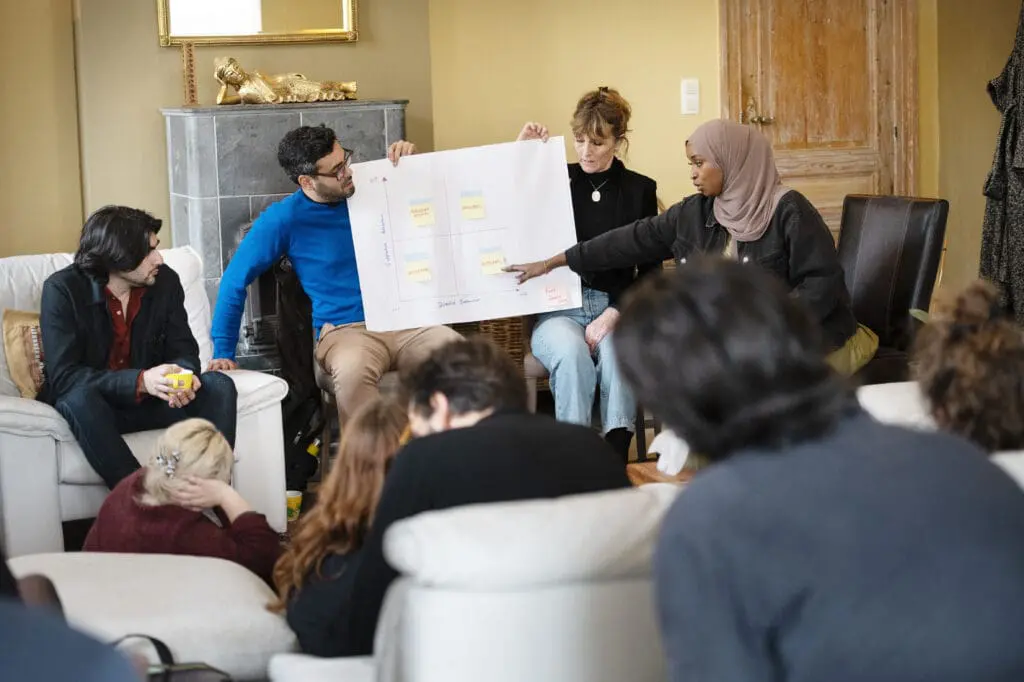
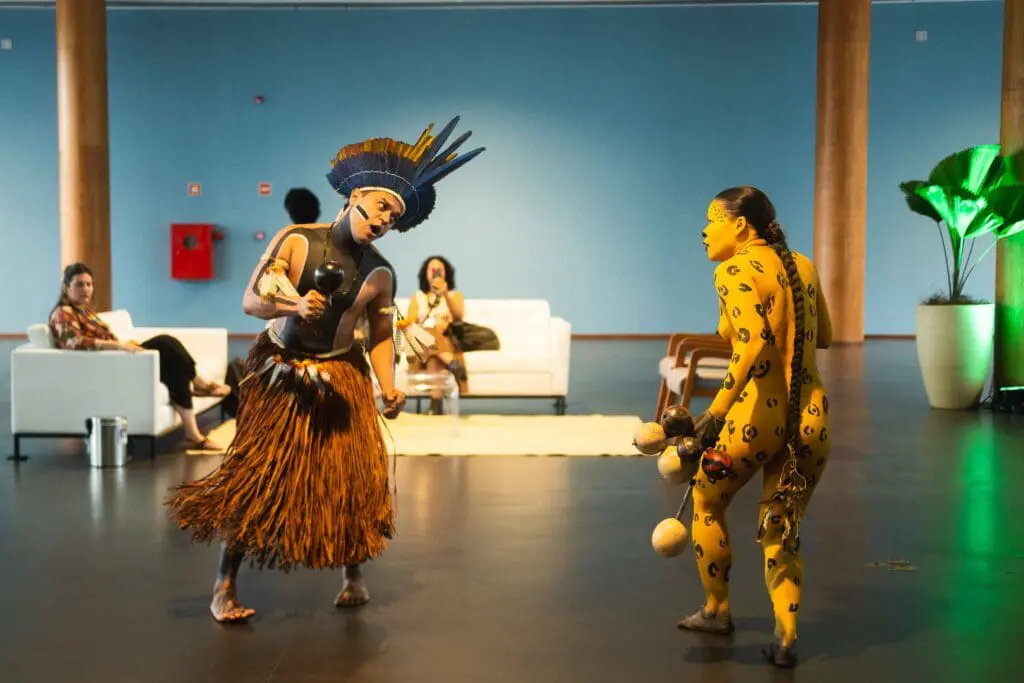
Julie’s Bicycle has grown from a music-focused initiative into a leading voice across the wider arts and culture landscape. Our work now spans from museums and heritage, to film, fashion and festivals. We’ve supported thousands of organisations, trained hundreds of climate leaders, and helped embed sustainability into policy and practice across the sector.
But our journey is far from over. As the challenges grow more complex, we remain committed to learning, collaborating and pushing for climate justice. We believe culture can change everything, and we’re proud to be part of a community that’s making that future possible.
Outputs:
Our story continues
From a bike ride to a global movement, JB is now at the forefront of creative climate action, proving that creative industries can be powerful drivers of climate solutions, as well as a source of inspiration in building a positive future.

join our creative community
Stay updated with our latest news and initiatives in environmental sustainability and the arts.