
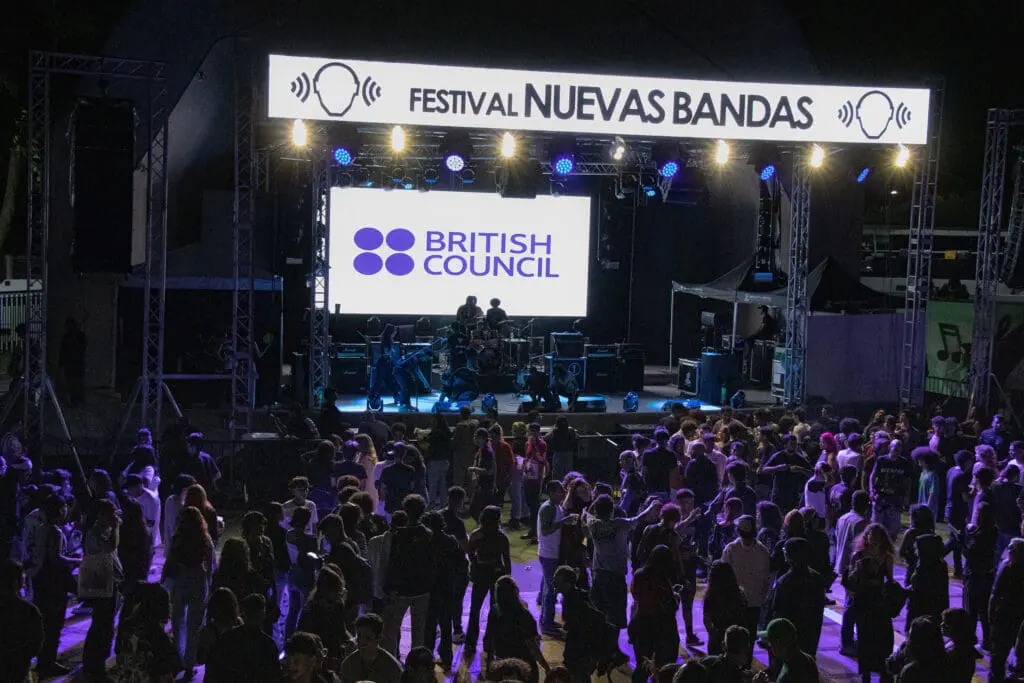

Cultura Circular was a capacity-building programme for arts and culture festivals across Latin America and the Caribbean, delivered by Julie’s Bicycle with support from the British Council Americas. This case study highlights the work of Nuevas Bandas Festival in Venezuela from the programme’s 2025-2026 cohort.
Festivals in Venezuela are driving a transformation by integrating cultural management with a commitment to the environment, within the British Council’s Cultura Circular (Circular Culture) programme, in which Julie’s Bicycle leads the training component. These Venezuelan initiatives underscore the essential role of creativity and resilience in fostering climate action and environmental regeneration.
Nuevas Bandas Festival, Maracay: 30 years old and still learning
The Nuevas Bandas Festival (FNB), created in 1991 in Caracas, is one of the longest-running pop-rock events in Latin America. Produced by the Nuevas Bandas Foundation, it has consolidated itself as a vital platform for discovering and promoting local talent .
The festival, a key event for emerging music, chose to decentralise its operations, hosting the 2025 edition in Maracay. This event kicked off on October 11 2025, at the Concha Acústica.
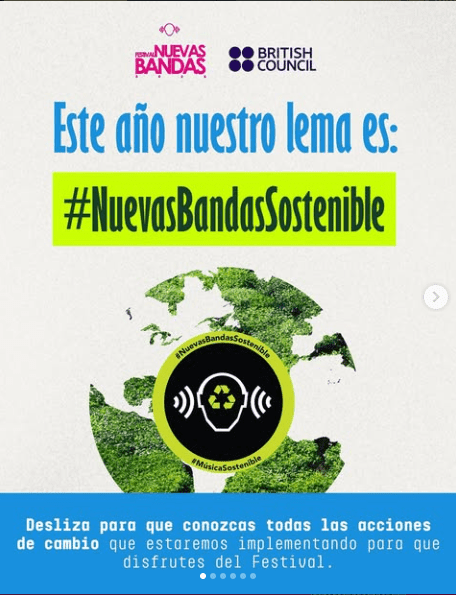
The 2025 edition offered programming, workshops, and their climate action initiative, #SustainableNuevasBandas. Actions aimed at the public included: a call for environmental awareness, recycling of solid waste, and use of refillable pitchers to reduce plastic use.
The festival also prioritised “Conscious volume” to protect audience hearing and maintain harmony with the surrounding neighbourhood, and launched the “Travel like a band” campaign to encourage the use of public and shared transport.
What actually changed
The results were surprising: a simple but effective collection area demonstrated a high level of audience awareness in sorting their waste. The technical team maintained decibel levels that avoided disturbances to neighbours, and the event finished punctually at 2:00 a.m. According to the organisers, this punctuality was their greatest achievement, demonstrating respect for the environment and for the community around them.
The Maracay event drew an audience of 1,700 people, mostly young people aged 18 to 25 who depend on public transport to get around. This, combined with the mobility campaigns, meant very few vehicles were parked nearby. Ana María Díaz Amengual, producer of the FNB, points to the communications strategy as key to success: social media, presenters’ interventions during the event, and the inclusion of the recycling symbol in this edition’s logo. Surveys reflected that approximately 80% of attendees remembered specific messages about volume and smoking areas.
Changing how the festival works, not just what it says
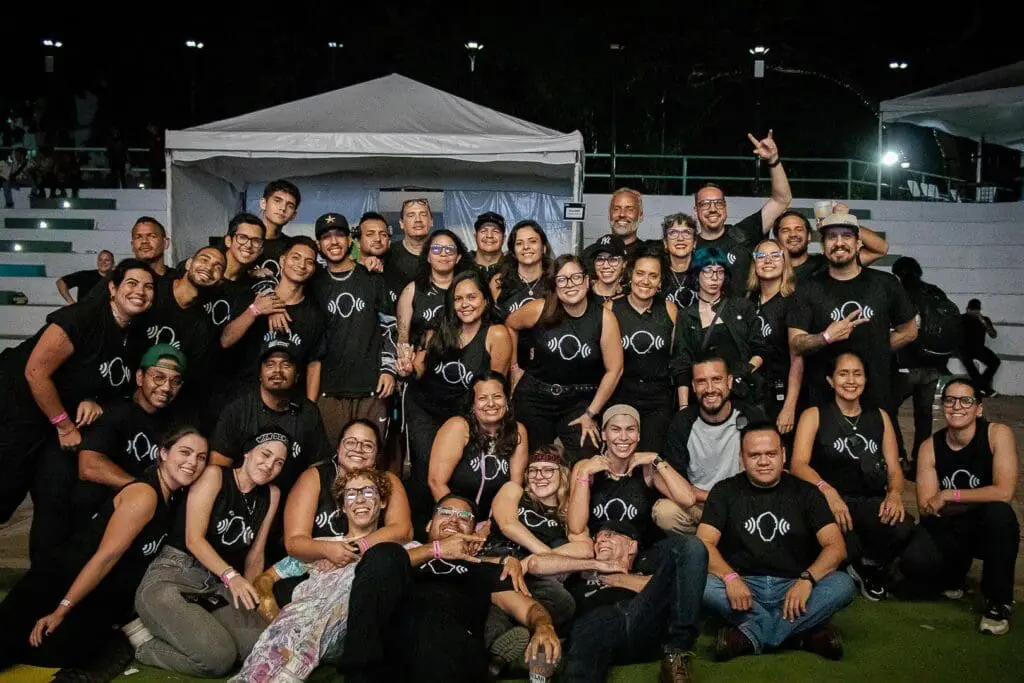
During the production process, a logistics manual based on Circular Culture principles was developed, reducing disposable plastic use and saving paper through the use of digital devices for operational tasks. Healthy food options were also prioritised, catering to a range of dietary needs of the team and artists including vegetarian, vegan, and coeliac. Challenges remained, such as negotiating with sponsors to implement reusable cups, but the intention is to continue improving these measures.
What comes next
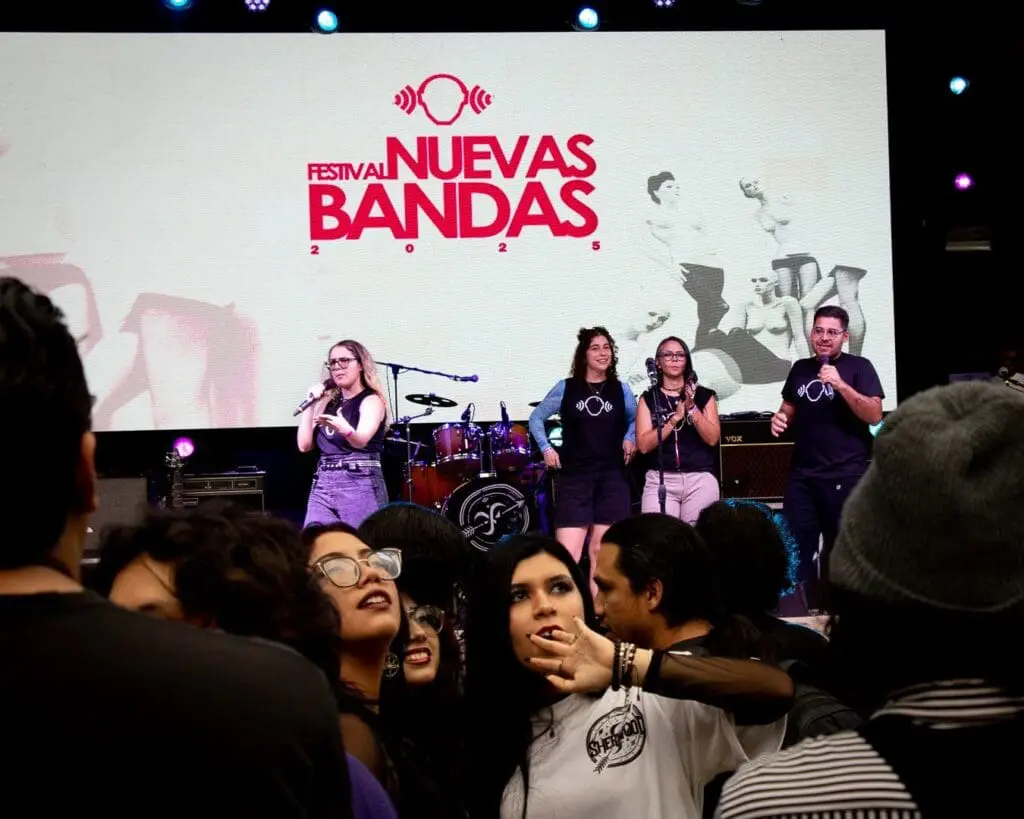
Participation in Cultura Circular broadened the organisers’ perspective and brought legitimacy to their actions by connecting them with other experienced festivals in Latin America. For their next editions, they plan to return to Caracas, where they can implement a more complex infrastructure and take on greater climate action challenges.
One goal already identified for next editions is to incorporate the learnings into the festival’s production manual and work with other partners to broaden the impact and legacy built across more than 30 years of the festival’s history. Because “the musical revolution also takes care of the planet.”
Spread the word